

Ancestral Bunkuany 3-Day Tour | Archaeology, the Kogui People, and Tayrona National Park
An experience built from the ground up by the region and its communities.
Each route is an invitation to discover nature, culture, and local traditions, promoting conscious, respectful, and meaningful tourism.
💱 Approximate equivalent
Value of Reserves:
The booking we require an initial deposit per person $140,000 COP
The initial deposit is non-refundable.
Hay lugares que no están hechos para el viajero común, sino para quienes se atreven a explorar lo desconocido. Esta experiencia es así: paisajes ocultos, animales que se muestran en silencio y culturas ancestrales que aún conservan su conexión con la tierra. Abre los ojos y observa.
Durante tres días recorrerás algunos de los territorios más auténticos de la Sierra Nevada de Santa Marta. Esta travesía combina senderismo, interpretación de fauna y flora, encuentro cultural y paisajes que cambian entre montaña, selva tropical y mar Caribe.
Schedule of Activities
Day 1 | Santa Marta to Bunkuany: In the Footsteps of the Sierra.
La experiencia inicia entre las 7:30 y las 8:30 a.m. con la recogida en hoteles del centro histórico de Santa Marta. Desde ahí comenzamos el traslado terrestre hacia el corregimiento de Bonda, puerta de entrada a la Sierra y uno de los territorios con mayor riqueza histórica y cultural de la región.
Durante este primer tramo (aproximadamente 9 km), el guía hace una introducción sobre la historia de Santa Marta, su transformación urbana y su conexión con la montaña.
Desde Bonda continuamos internándonos en territorio rural a lo largo de aproximadamente 18,26 km, atravesando caminos veredales, zonas agrícolas y antiguos pasos comunitarios como Paso del Mango, donde el paisaje comienza a transformarse y la ciudad queda atrás.
Along the way, we'll visit historical and cultural sites in the region, including:
- La antigua iglesia colonial Santa Ana de Bonda, una de las construcciones religiosas más antiguas del norte de Suramérica, cuya historia se remonta al siglo XVI y a los primeros procesos de ocupación española en este territorio.
- Monuments and sculptures associated with the indigenous peoples of the Colombian Caribbean.
- La histórica Casa de Mier, una construcción del siglo XIX ligada a una de las familias con mayor influencia en la historia de la región, relacionada con la Quinta de San Pedro Alejandrino y el folclor local que se originó alrededor de esta construcción.
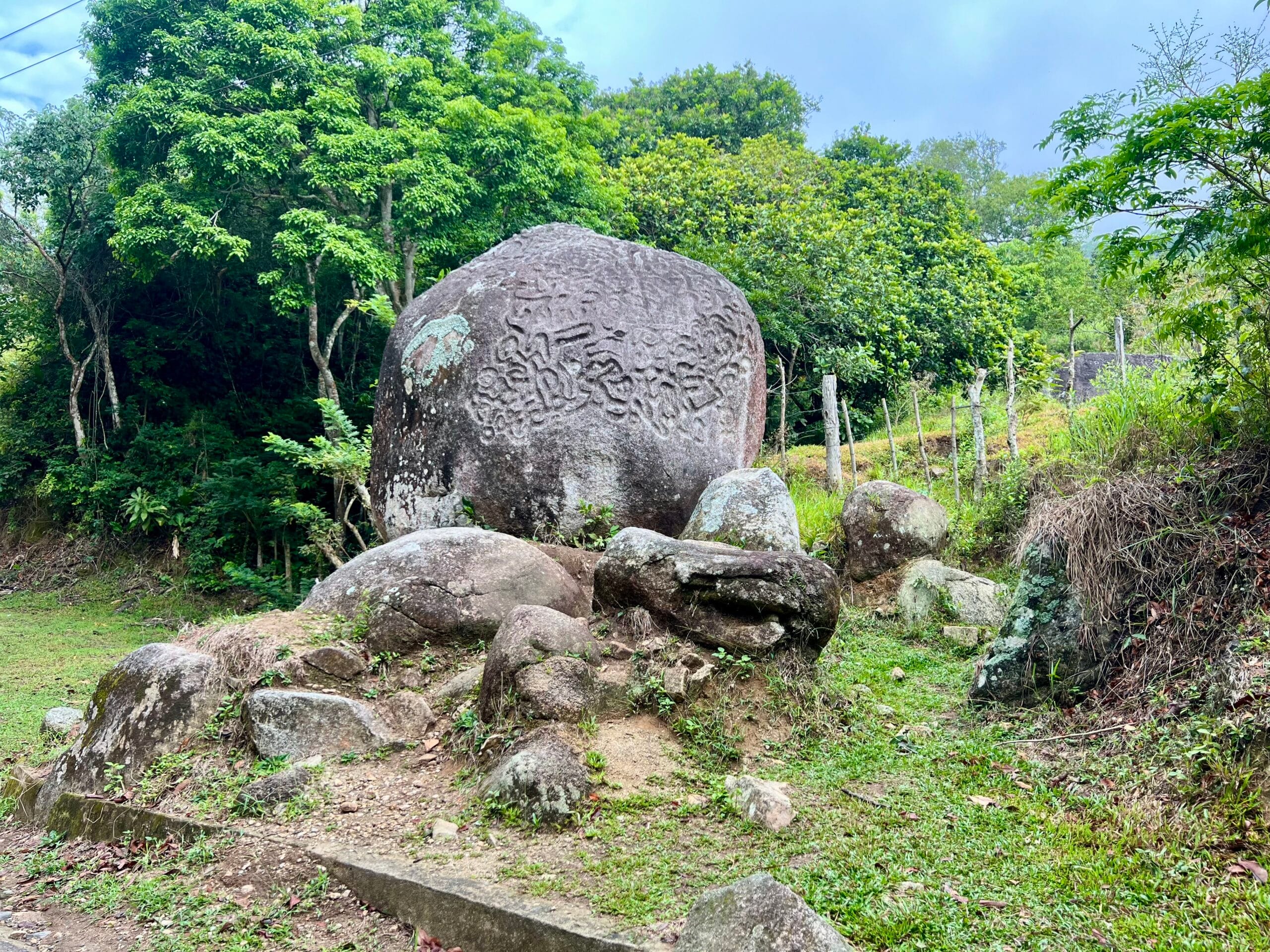
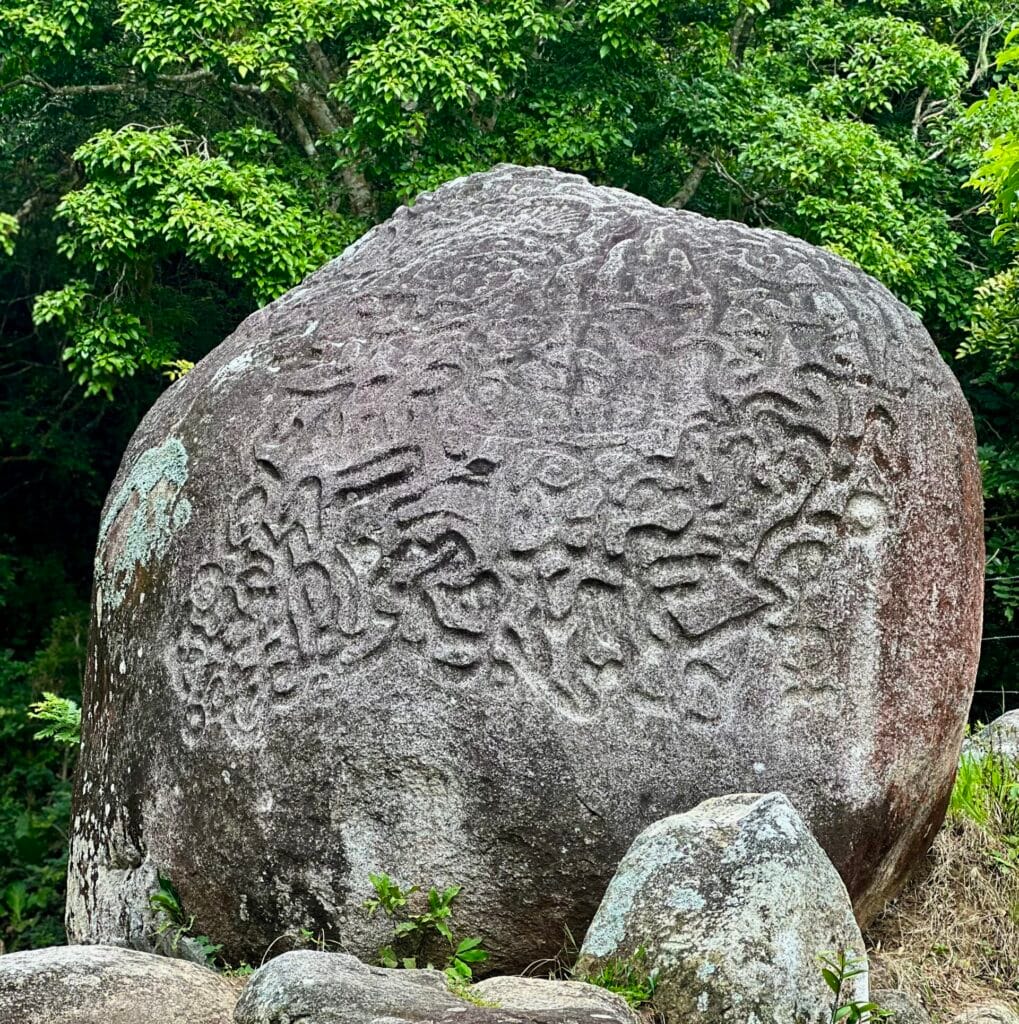
- El petroglifo ceremonial Piedra Donama, un sitio ancestral con grabados prehispánicos cuya antigüedad se estima entre 200 y 500 años.
En Donama haremos una breve pausa para una conexión consciente con el territorio antes de continuar la travesía.
Hike to the Bunkuany Terraces
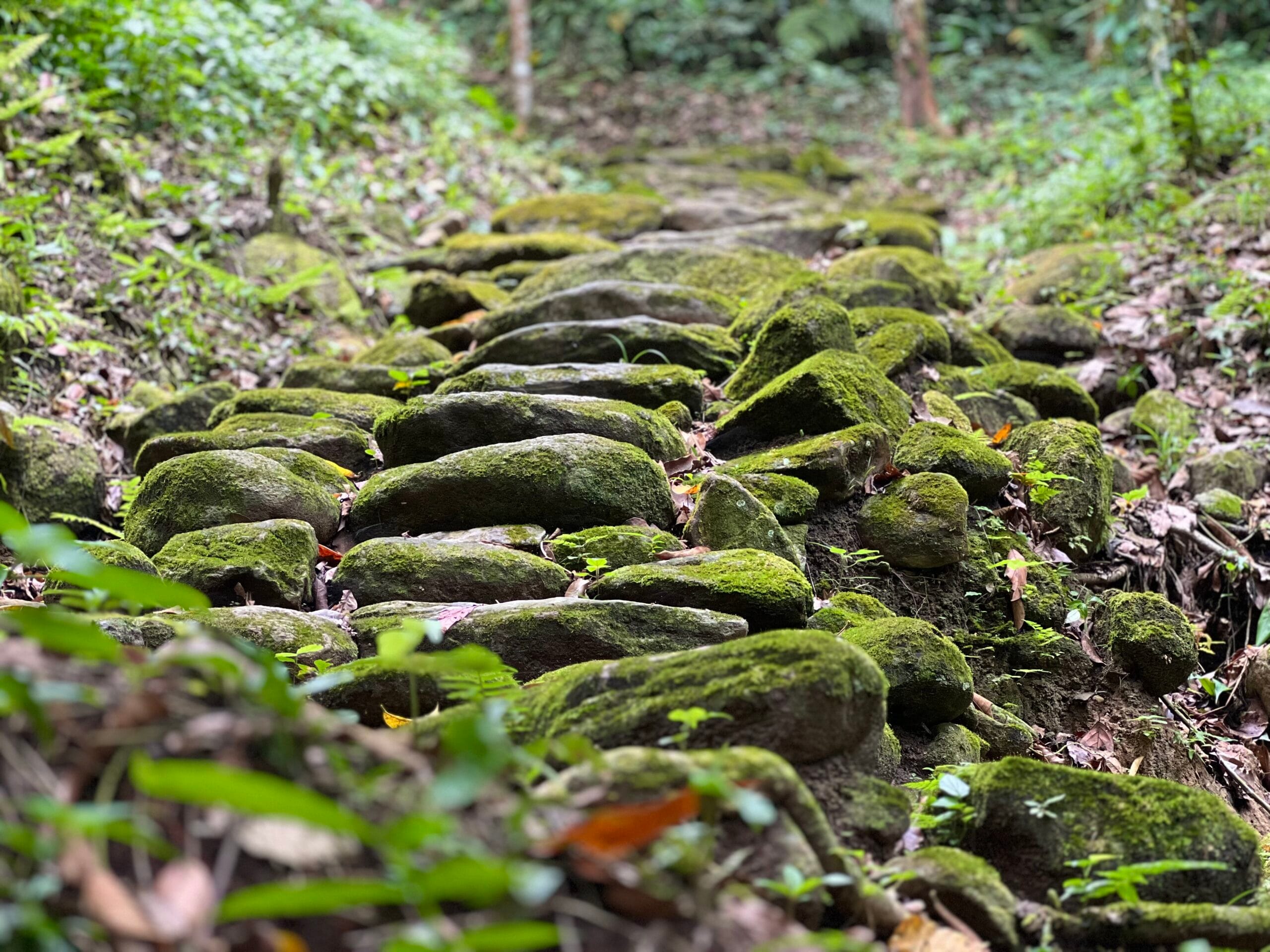
Desde la vereda El Boquerón, sector La Bodeguita, comienza la caminata principal hacia el sitio arqueológico de Bunkuany.
- Approximate distance: 4,74 km
- Estimated duration: 2 to 2.5 hours
- Maximum elevation: 939 m s.n.m.
- Level: moderado
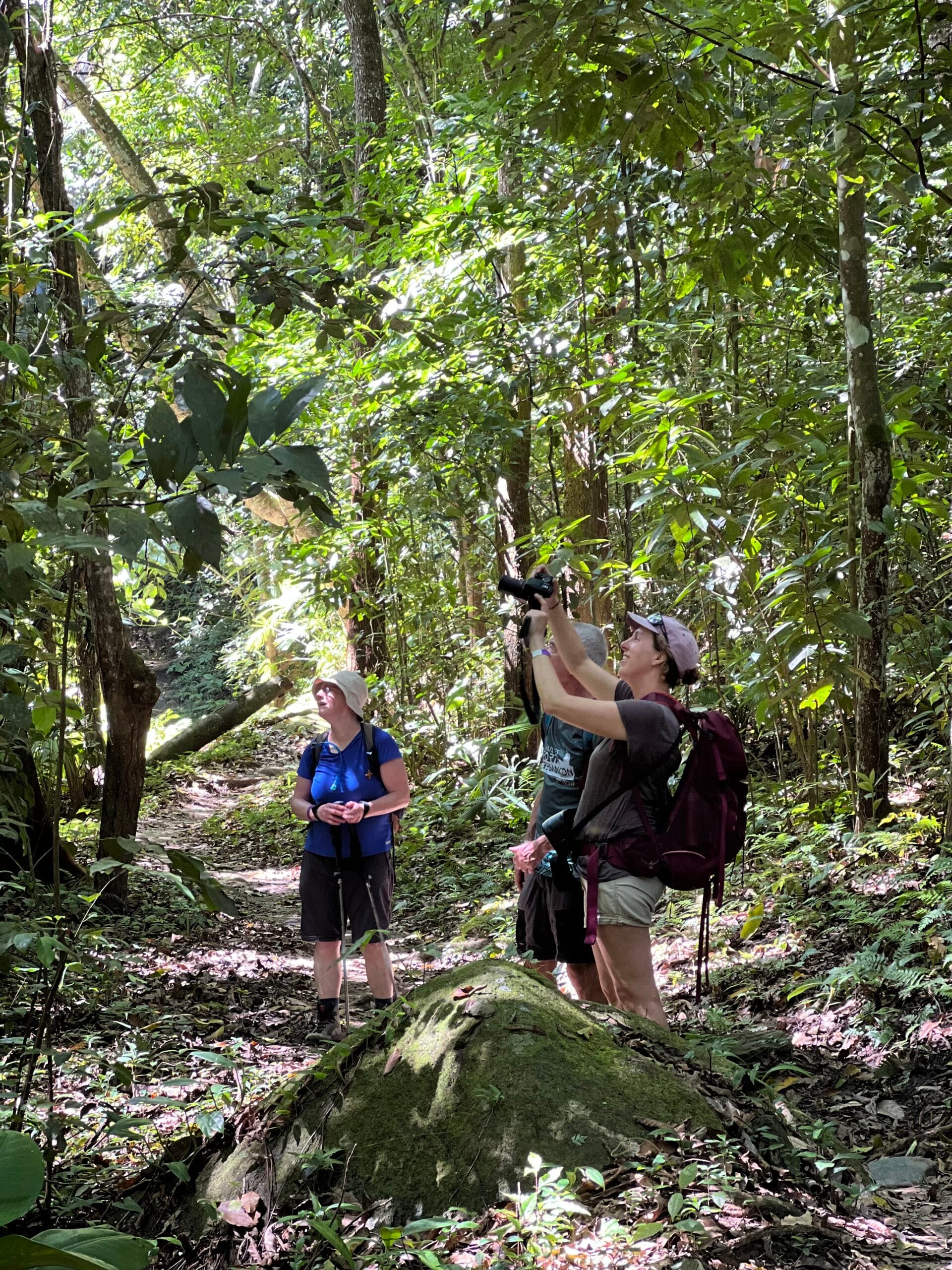
El sendero atraviesa distintos ecosistemas de la Sierra Nevada de Santa Marta: bosque húmedo tropical, bosque nublado y zonas de cultivos campesinos tradicionales.
Durante la caminata podremos interpretar rastros y señales de fauna silvestre: aves endémicas y migratorias, anfibios, serpientes, mamíferos medianos y, ocasionalmente, venados o felinos silvestres.
Si el clima lo permite, desde los puntos más altos se pueden observar panorámicas hacia Santa Marta, Calabazo y sectores cercanos al Parque Nacional Natural Tayrona.
Archaeological Exploration and Connection to the Territory
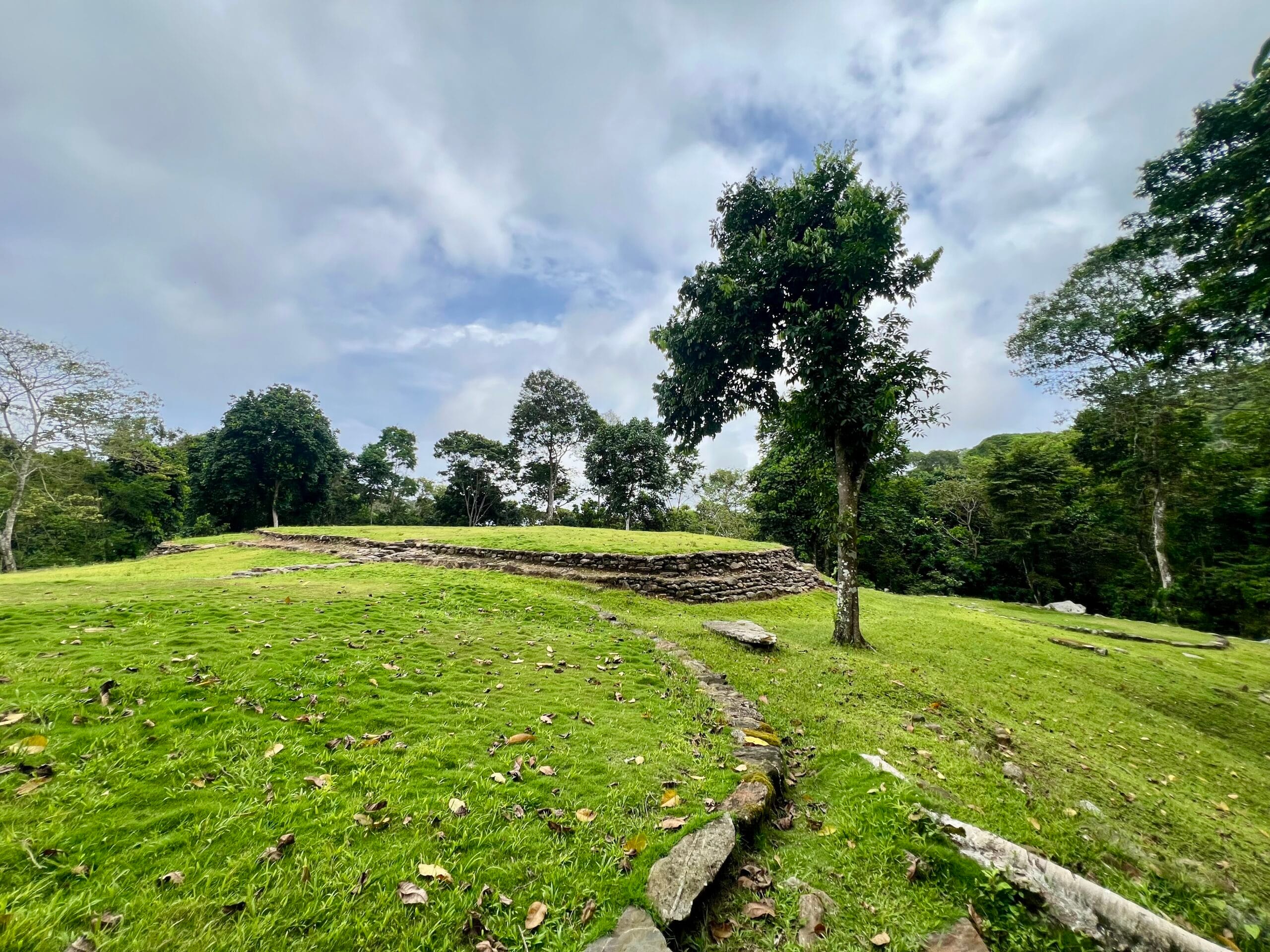
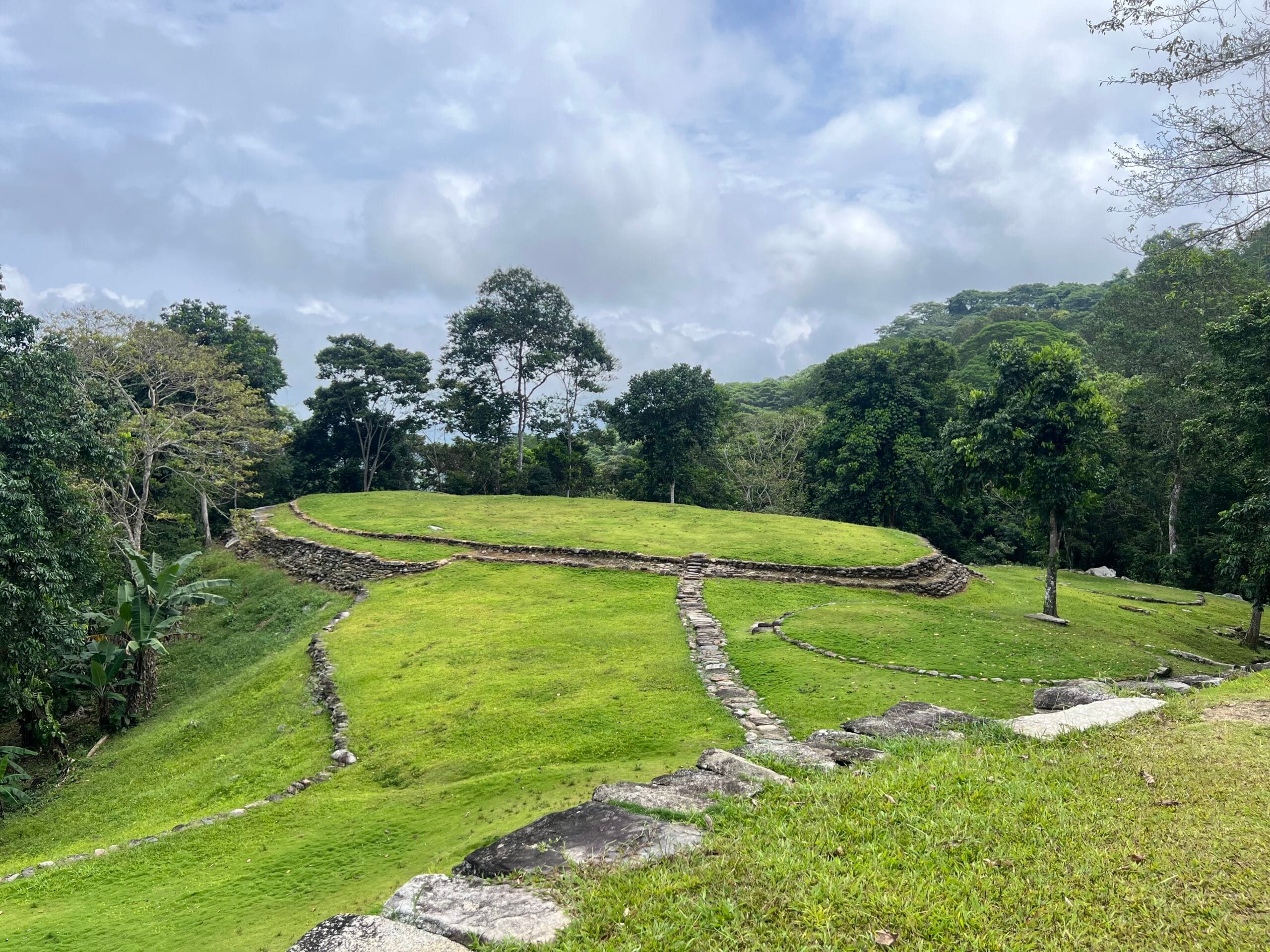
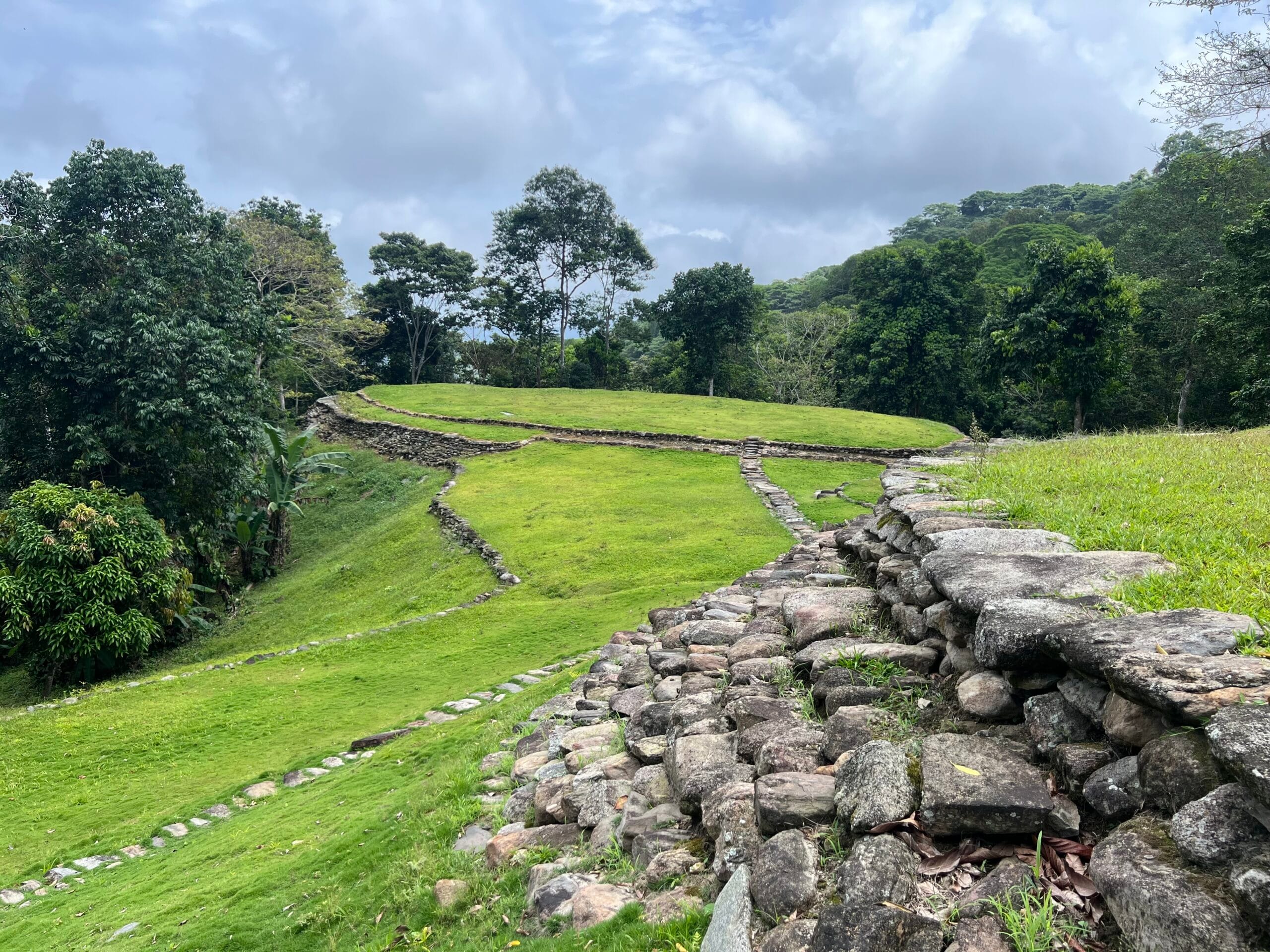
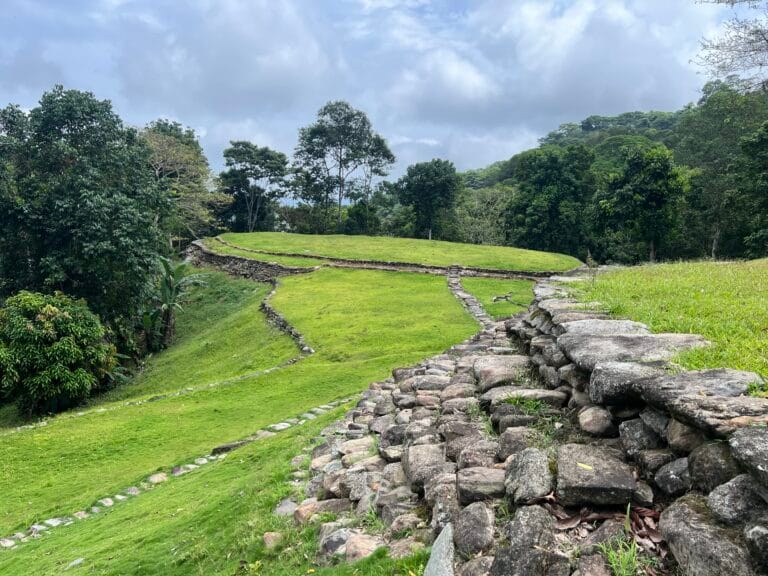
Al llegar a Bunkuany tendremos tiempo para explorar sus terrazas ceremoniales, antiguos muros de contención y espacios sagrados utilizados por los pueblos ancestrales que habitaron la Sierra. Ahí conoceremos el significado de la palabra Bunkuany, la función espiritual y territorial de sus terrazas, la relación entre este sitio y los pueblos indígenas actuales como el pueblo Kogui, y el valor que tiene hoy para comunidades campesinas e indígenas.
Después continuamos hacia una finca local donde disfrutaremos del almuerzo campesino y un espacio de descanso rodeados de naturaleza.
Descent to the Eco-Hotel and meeting with the community.
En horas de la tarde retomamos el sendero, descendiendo aproximadamente 4,4 km entre antiguos potreros hoy en proceso de restauración ecológica, sistemas agroforestales y zonas de conservación. En este tramo se pueden observar cultivos orgánicos, árboles frutales utilizados por fauna local y corredores biológicos frecuentados por monos, aves y otros mamíferos.
Al llegar al eco-hotel disfrutaremos de una pausa con bebida caliente o refrescante antes de continuar el traslado hacia la comunidad indígena.
A Night in an Indigenous Community
Nuestro último traslado del día (6,84 km) nos lleva hacia territorio ancestral del pueblo Kogui, donde seremos recibidos por integrantes de la comunidad. Dependiendo de la hora de llegada, podremos participar en espacios de intercambio cultural como la interpretación del uso tradicional de la hoja de coca, el conocimiento del Sugi (Poporo) —elemento ceremonial ligado a la espiritualidad, identidad y matrimonio del hombre Kogui— y conversaciones con líderes, sabios o miembros de la comunidad alrededor del fuego.
The day ends with a traditional dinner and a night’s rest within the community’s territory, in a space set up to welcome travelers in a simple, authentic, and respectful way.
Day 2 | Life in an Indigenous Community and the Journey to Tayrona National Park
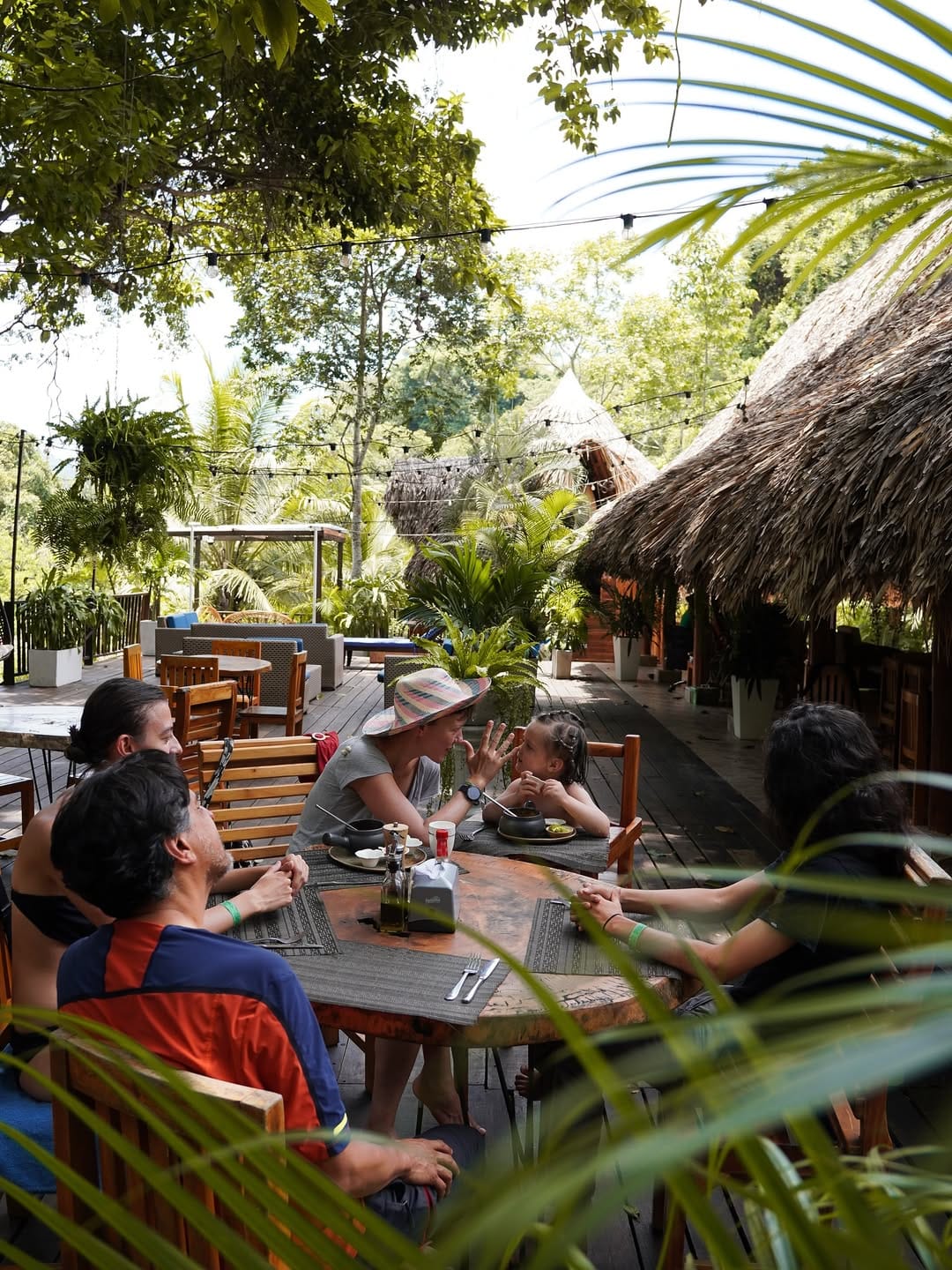
El segundo día comienza rodeados por el silencio de la montaña y los sonidos naturales de la Sierra. A las 7:30 a.m. disfrutaremos de un desayuno tradicional dentro del resguardo del pueblo Kogui, acompañado de bebidas calientes como café orgánico cultivado en el territorio o infusión tradicional a base de hoja de coca, preparada por integrantes de la comunidad.
Cultural immersion on the reservation
Después del desayuno iniciamos un recorrido interpretativo dentro del territorio indígena, donde conoceremos de cerca la vida cotidiana de la comunidad y su relación espiritual y práctica con la tierra. Durante esta experiencia podremos observar y comprender procesos tradicionales como:
- Organización de las viviendas y arquitectura ancestral
- Roles de hombres, mujeres, jóvenes y mayores dentro de la comunidad
- Huertas tradicionales y sistemas de producción alimentaria
- Recolección y usos tradicionales de la hoja de coca
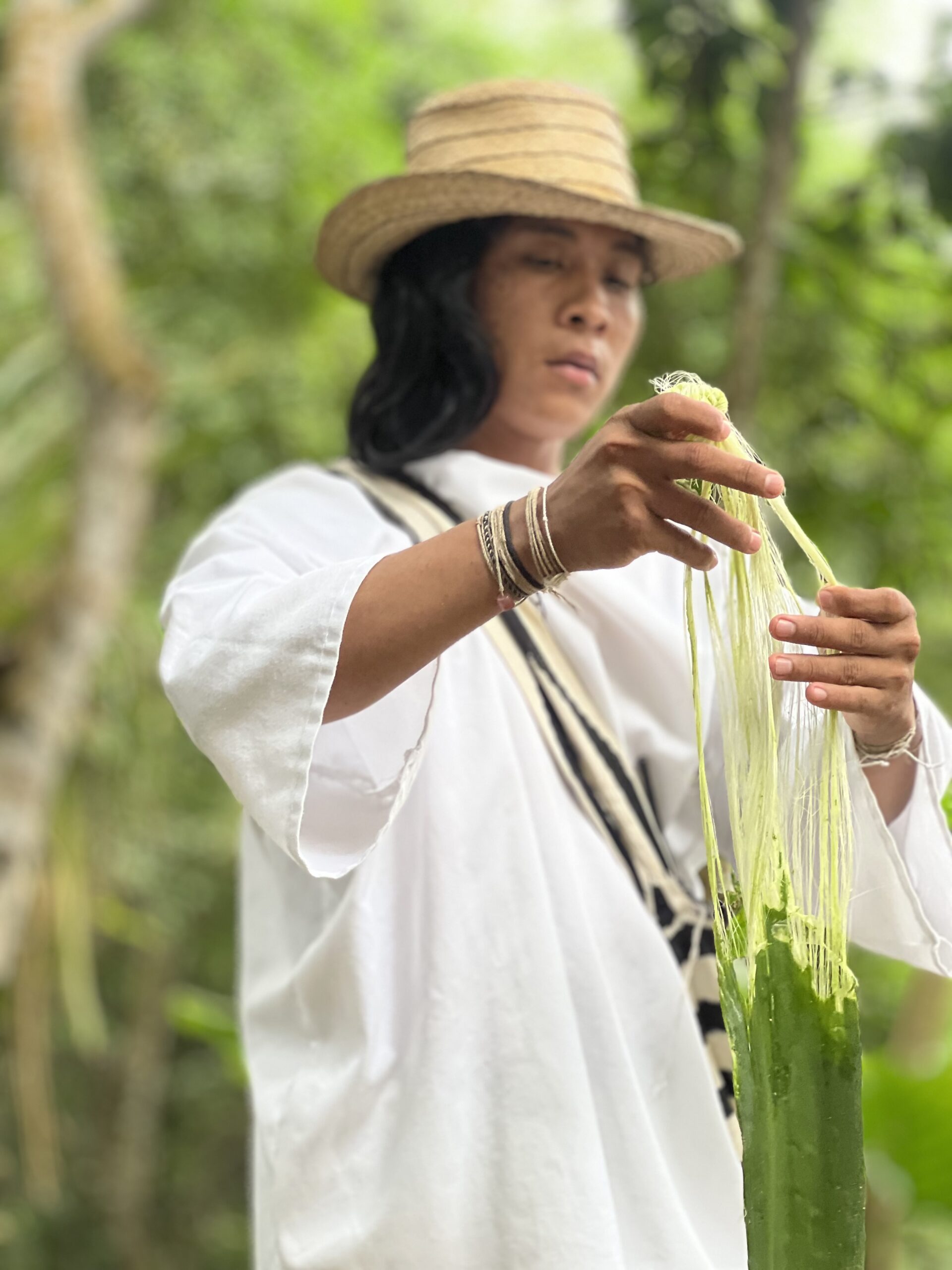
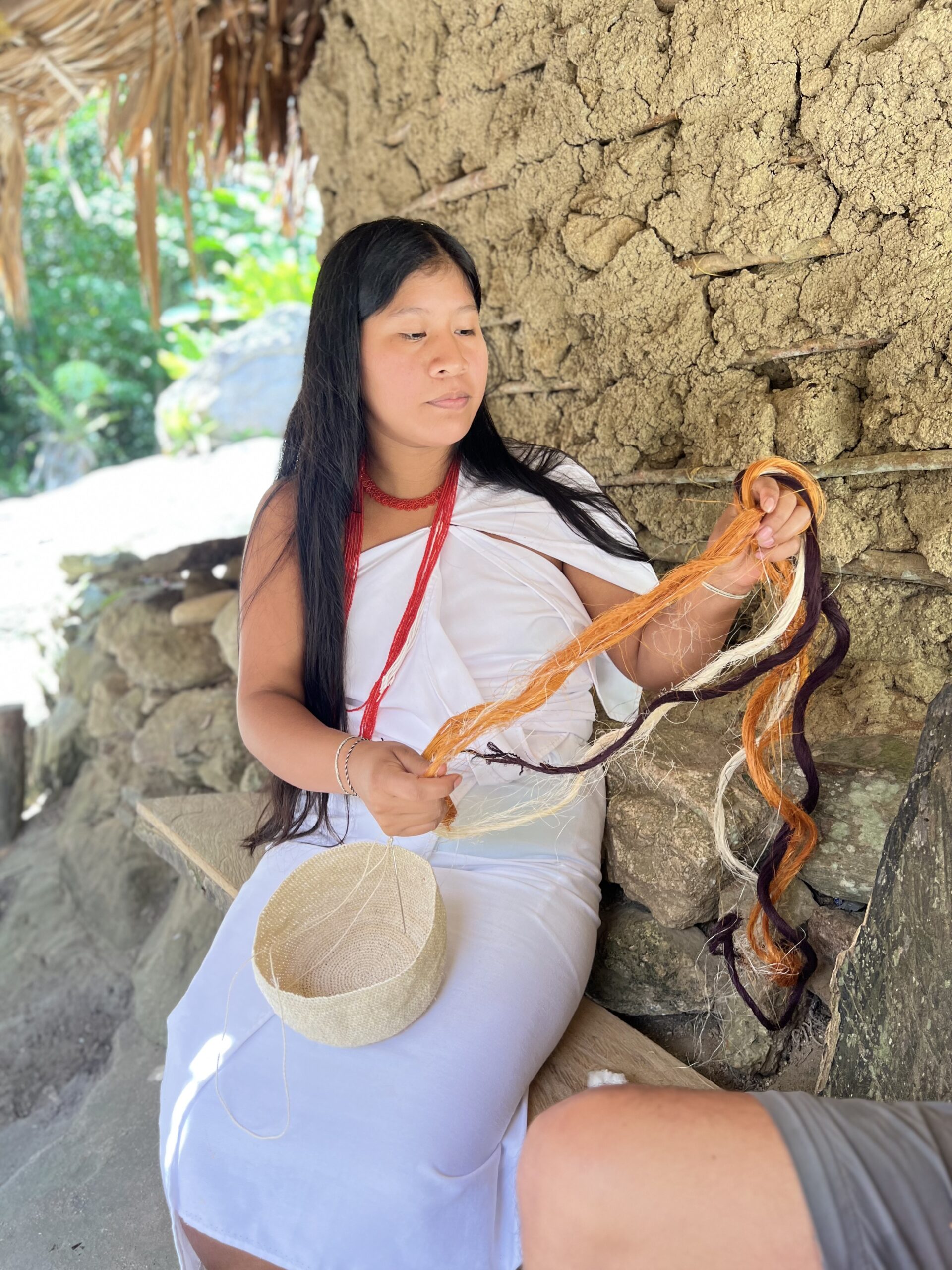
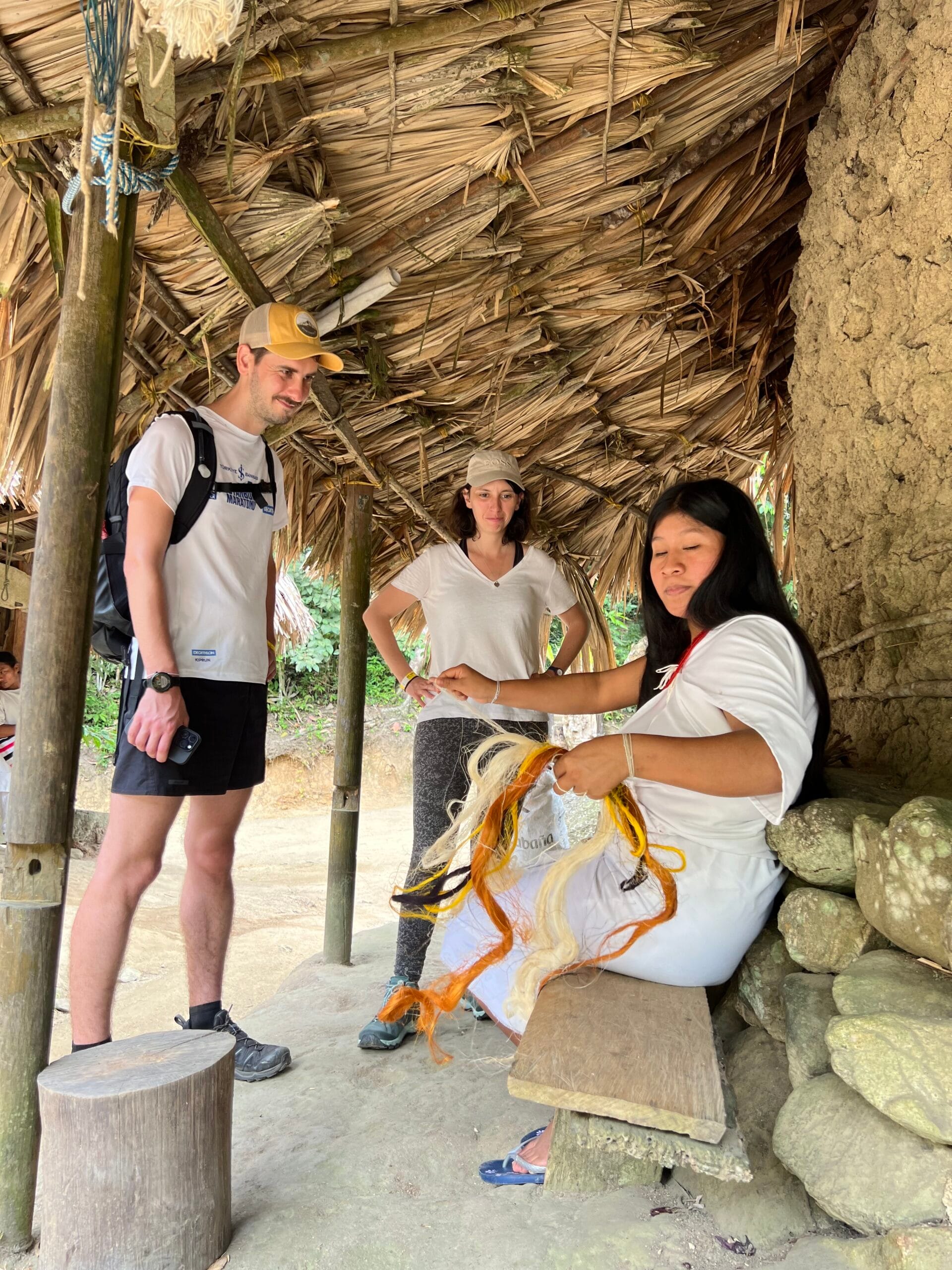
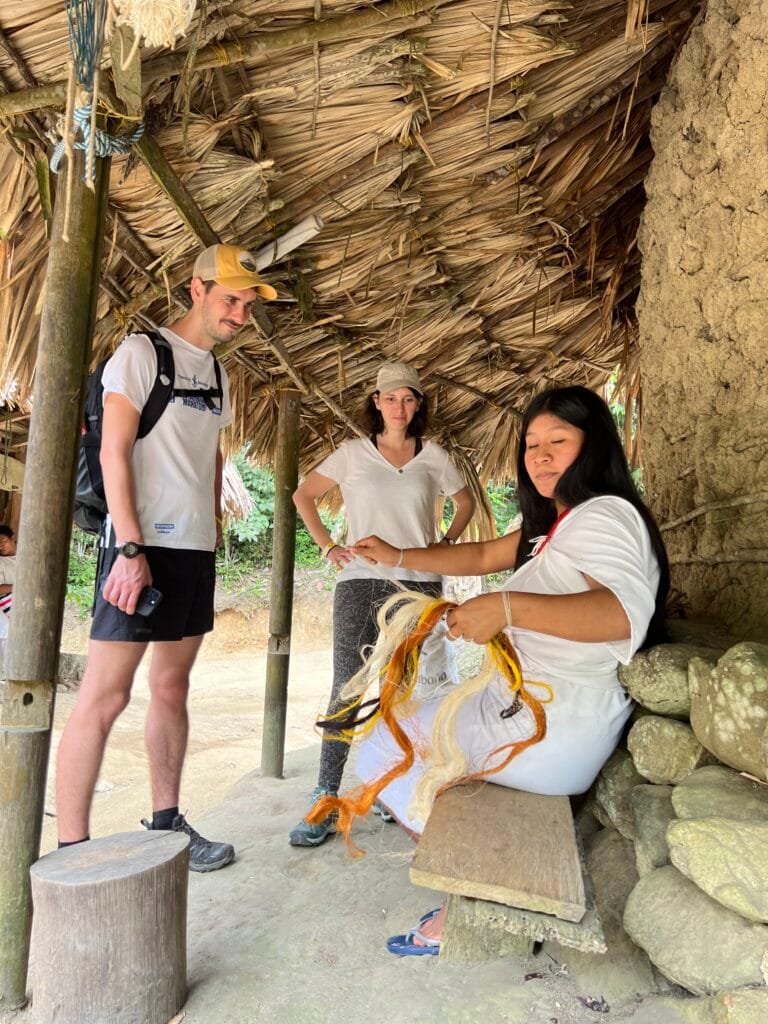
- Extracción y transformación del maguey en fibras naturales
- Procesos artesanales para convertir las fibras en hilos y cuerdas
- Técnicas tradicionales de extracción de jugo de caña de azúcar (según temporada)
Más que una demostración, esta actividad busca comprender cómo el conocimiento ancestral sigue vivo y forma parte del día a día del territorio.
Natural Dyes and Traditional Crafts
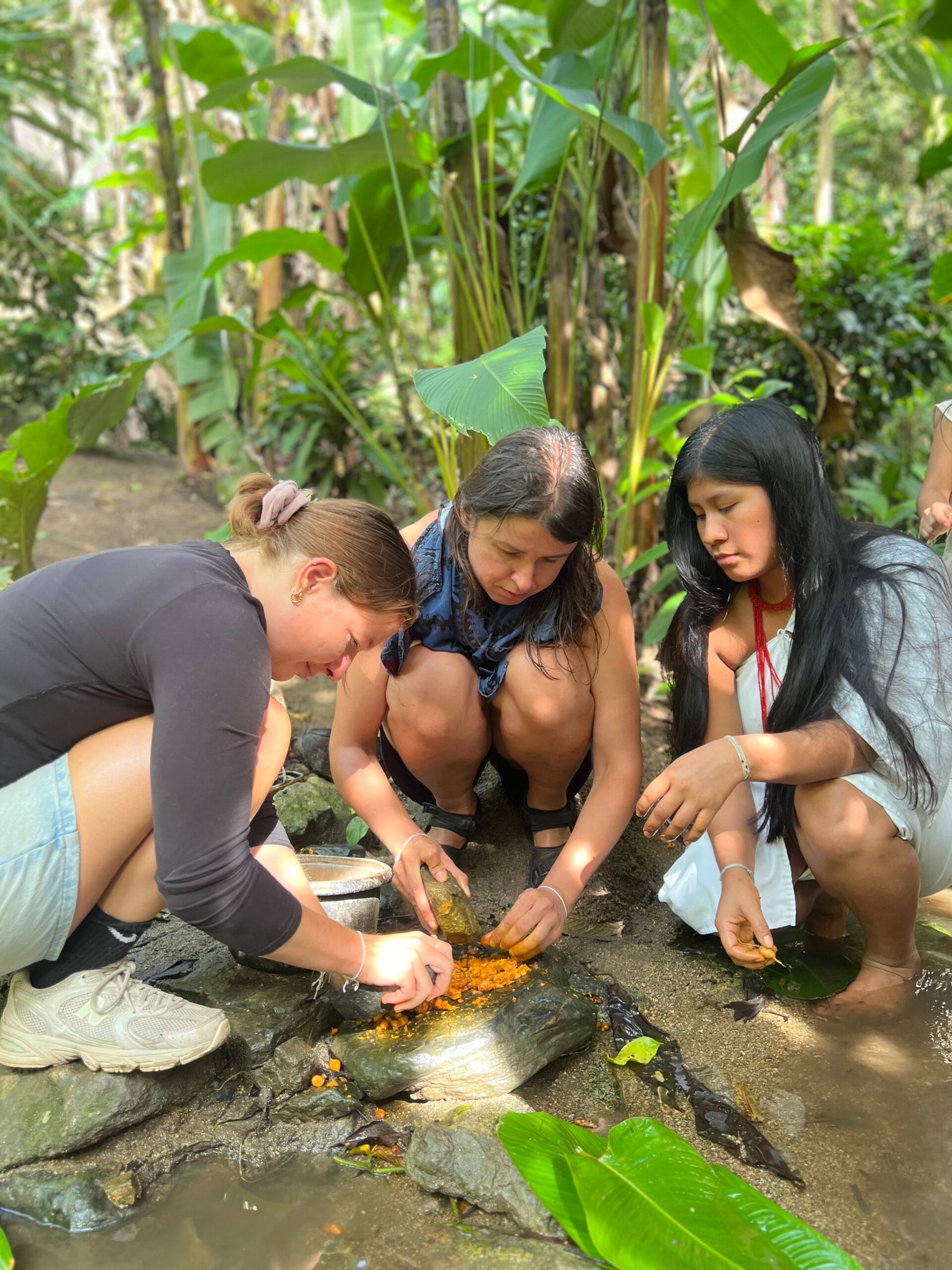
La última parte de la inmersión está dedicada al arte textil tradicional. Conoceremos cómo la comunidad obtiene pigmentos naturales a partir de raíces, tubérculos y plantas del bosque para teñir las fibras de maguey: procesos para obtener fibras claras o blancas, extracción de pigmentos amarillos mediante raíces tradicionales y uso de plantas y cortezas para tonos oscuros.
Antes de salir del resguardo, tendremos tiempo para visitar la tienda comunitaria de artesanías, donde cada compra contribuye directamente a la economía local.
Lunch and preparations for the hike to the ocean
Disfrutaremos del almuerzo dentro del territorio comunitario y nos prepararemos para la segunda gran travesía del día. Cada viajero recibirá hidratación antes de iniciar la caminata hacia uno de los sectores más aislados del Parque Tayrona.
Hike to Playa Brava
- Distance: 4,5 km
- Estimated duration: 1 h 40 min a 2 h 30 min
- Level: moderado
- Land: principalmente en descenso
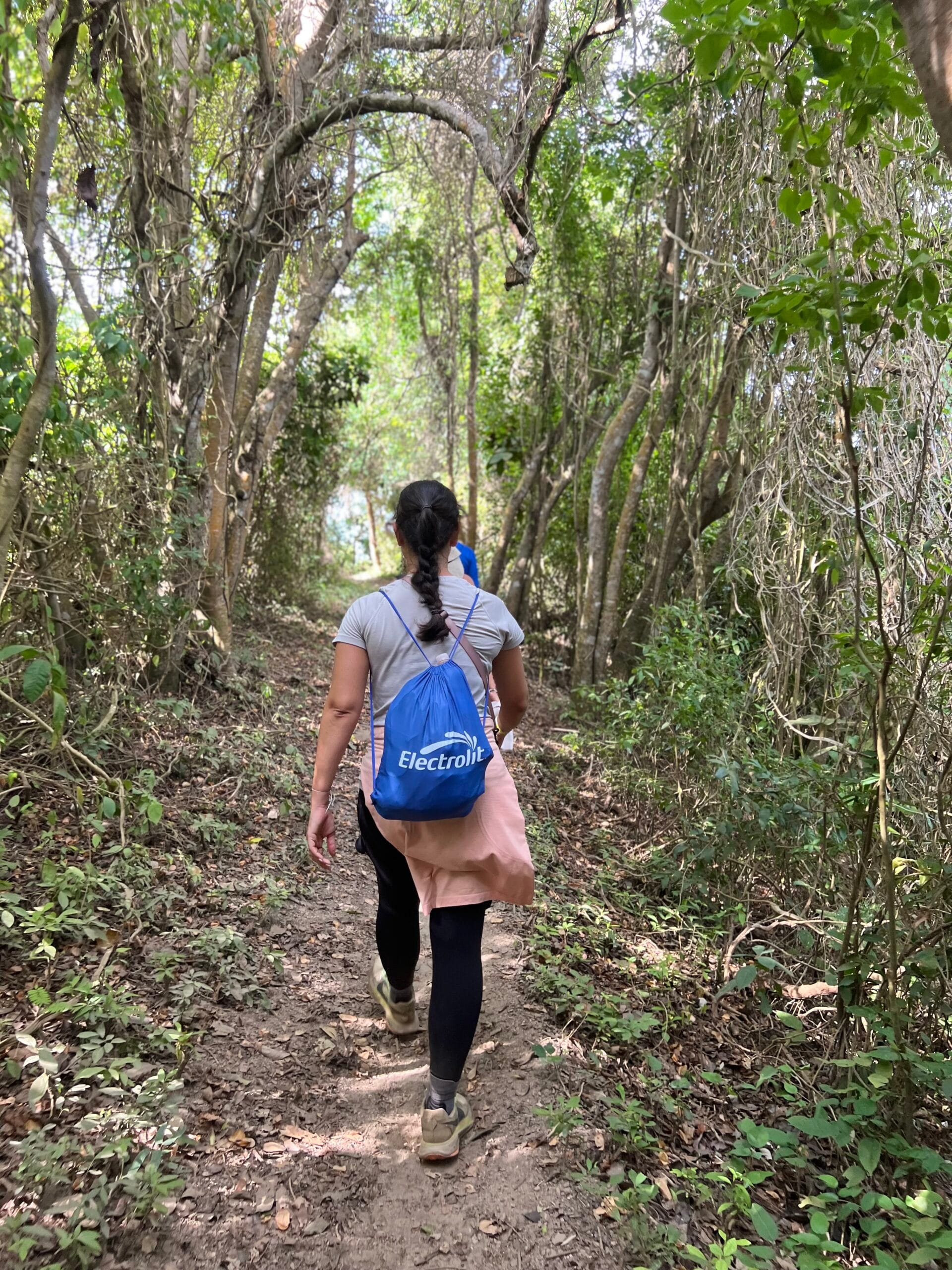
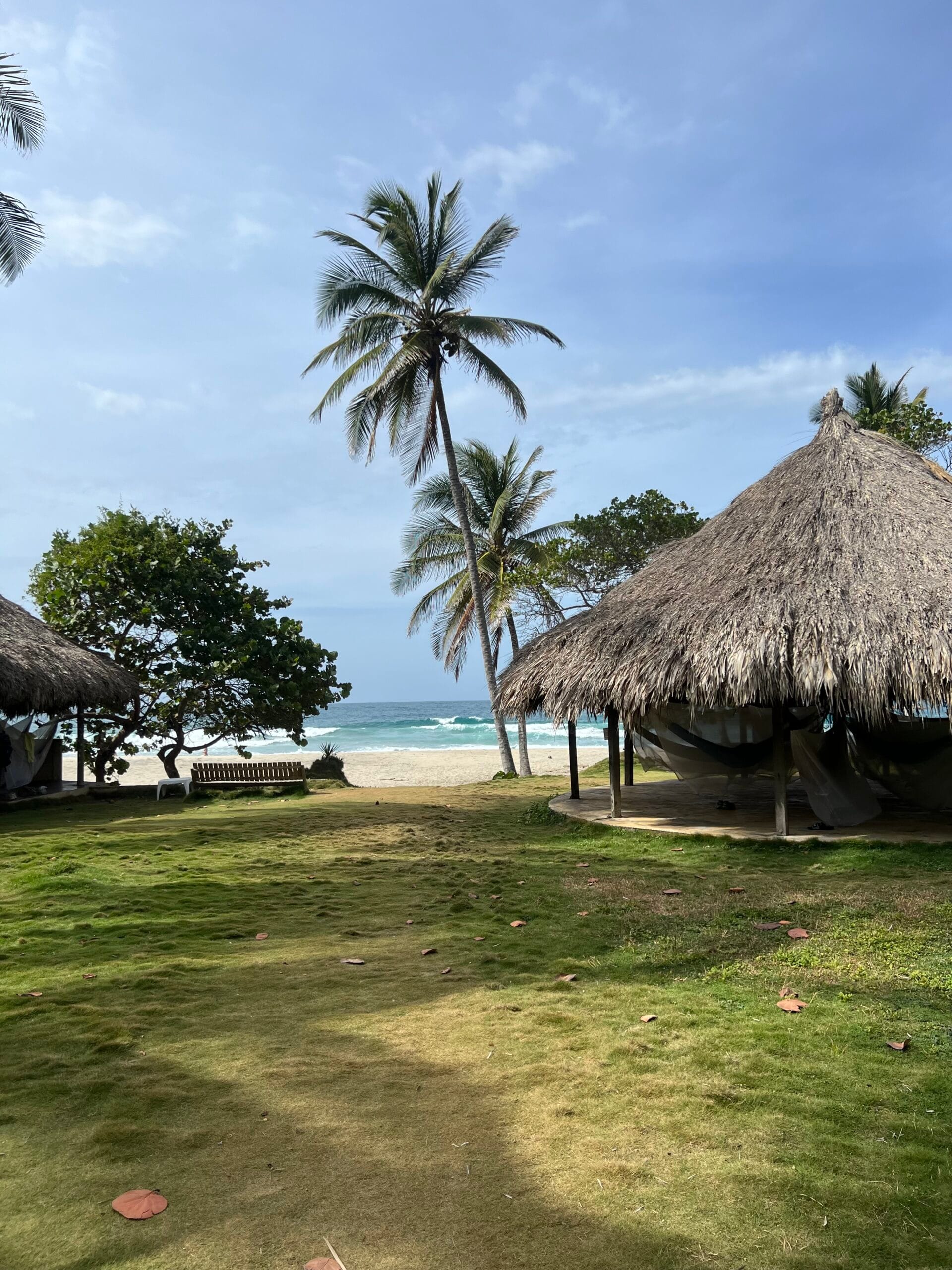
El sendero atraviesa bosques húmedos tropicales con alta biodiversidad: aves residentes y migratorias, monos, anfibios, reptiles, arañas y otros pequeños habitantes del bosque. Cruzaremos pequeños riachuelos de montaña antes de llegar a una de las playas más remotas y auténticas del Caribe colombiano: Brava Beach.
Known since ancient times as Teyumakke, este lugar tuvo profunda importancia para los pueblos indígenas que habitaban la costa y la montaña, especialmente por la extracción de sal y su conexión ceremonial con el territorio. Aquí montaña, selva y mar se encuentran en un paisaje salvaje y poco intervenido. En temporada de lluvias, y según las condiciones del sendero y la luz natural, existe la posibilidad de visitar una pequeña cascada escondida en el bosque.
A Night by the Caribbean Sea
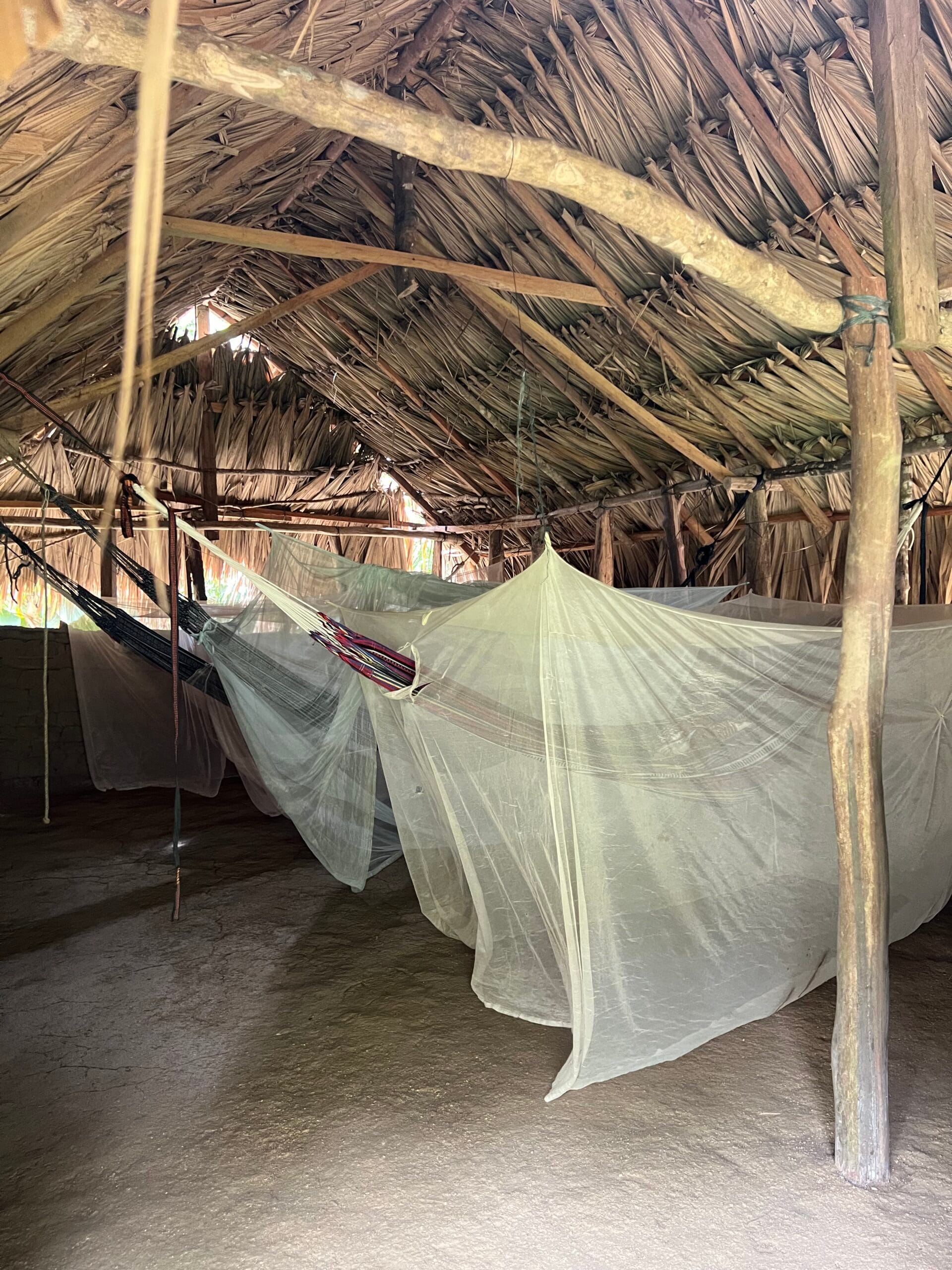
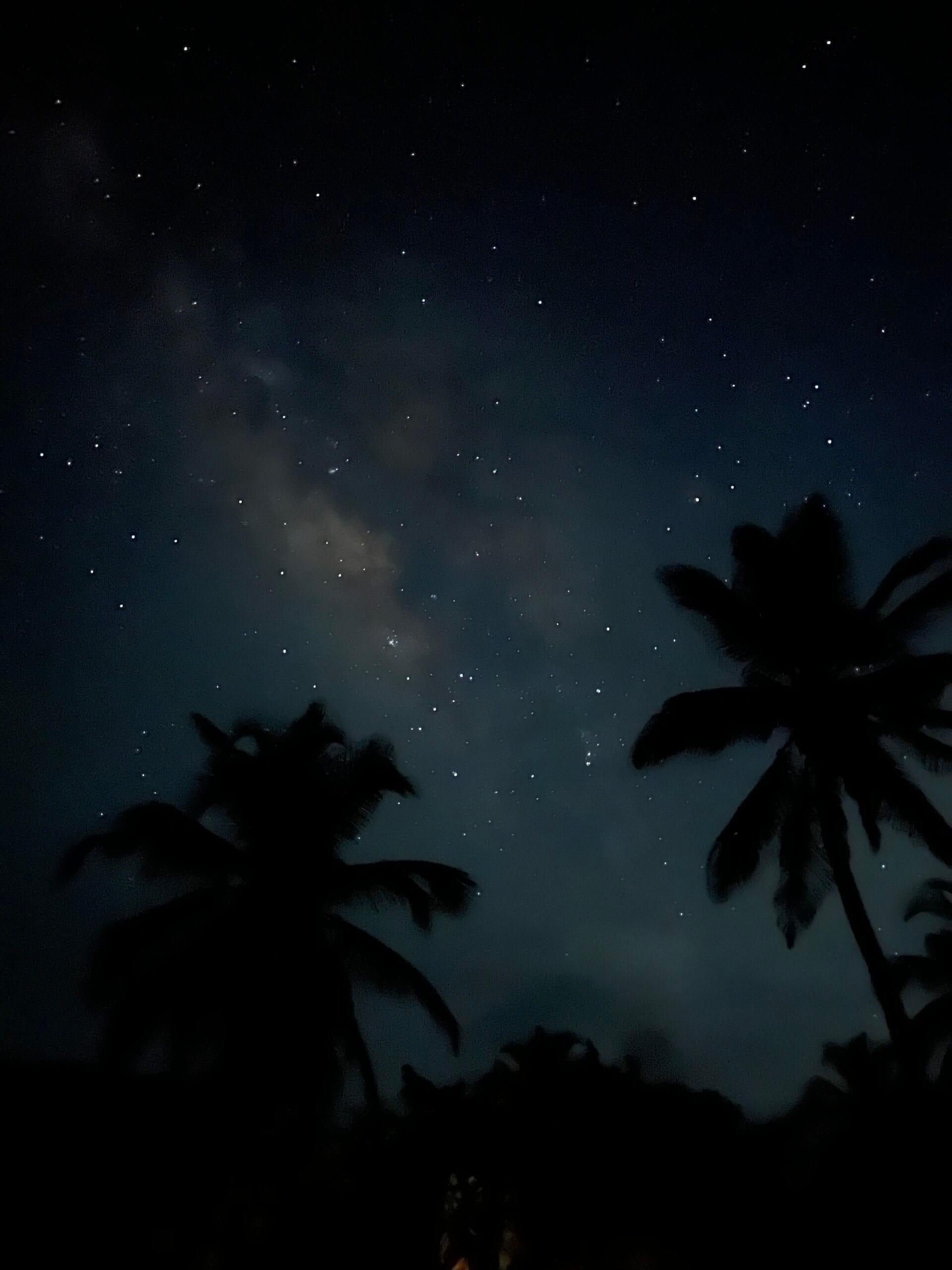
Nos instalaremos en alojamiento rústico frente al mar, en un entorno completamente aislado. La noche incluye cena local, descanso en hamacas con mosquitero (o espacio asignado según disponibilidad) y tiempo libre para escuchar el sonido del mar y desconectarse del ritmo cotidiano.
Así termina el segundo día, entre la sabiduría ancestral de la montaña y la fuerza natural del Caribe colombiano.
Day 3 | Playa Brava to Cabo San Juan: Where the Mountains Meet the Sea
El tercer día comienza con el sonido del mar Caribe y el despertar natural de uno de los sectores más aislados del Parque Tayrona. Según la época del año, el amanecer puede darse entre las 5:30 y las 6:30 a.m., una oportunidad única para contemplar la transición entre la selva y el mar.
A las 7:30 a.m. disfrutaremos del desayuno frente al mar y, entre las 8:00 y 8:30 a.m., iniciaremos la travesía hacia uno de los sectores más emblemáticos del parque.
Hike from Playa Brava to Cabo San Juan
- Starting distance: 5 km
- Estimated duration: 2,5 a 3,5 horas (incluyendo paradas interpretativas)
- Maximum elevation: 564 m s.n.m.
- Level: moderado
Recorreremos antiguos senderos indígenas rodeados de bosque tropical húmedo, zonas tradicionales de cultivo y corredores biológicos con alta biodiversidad.
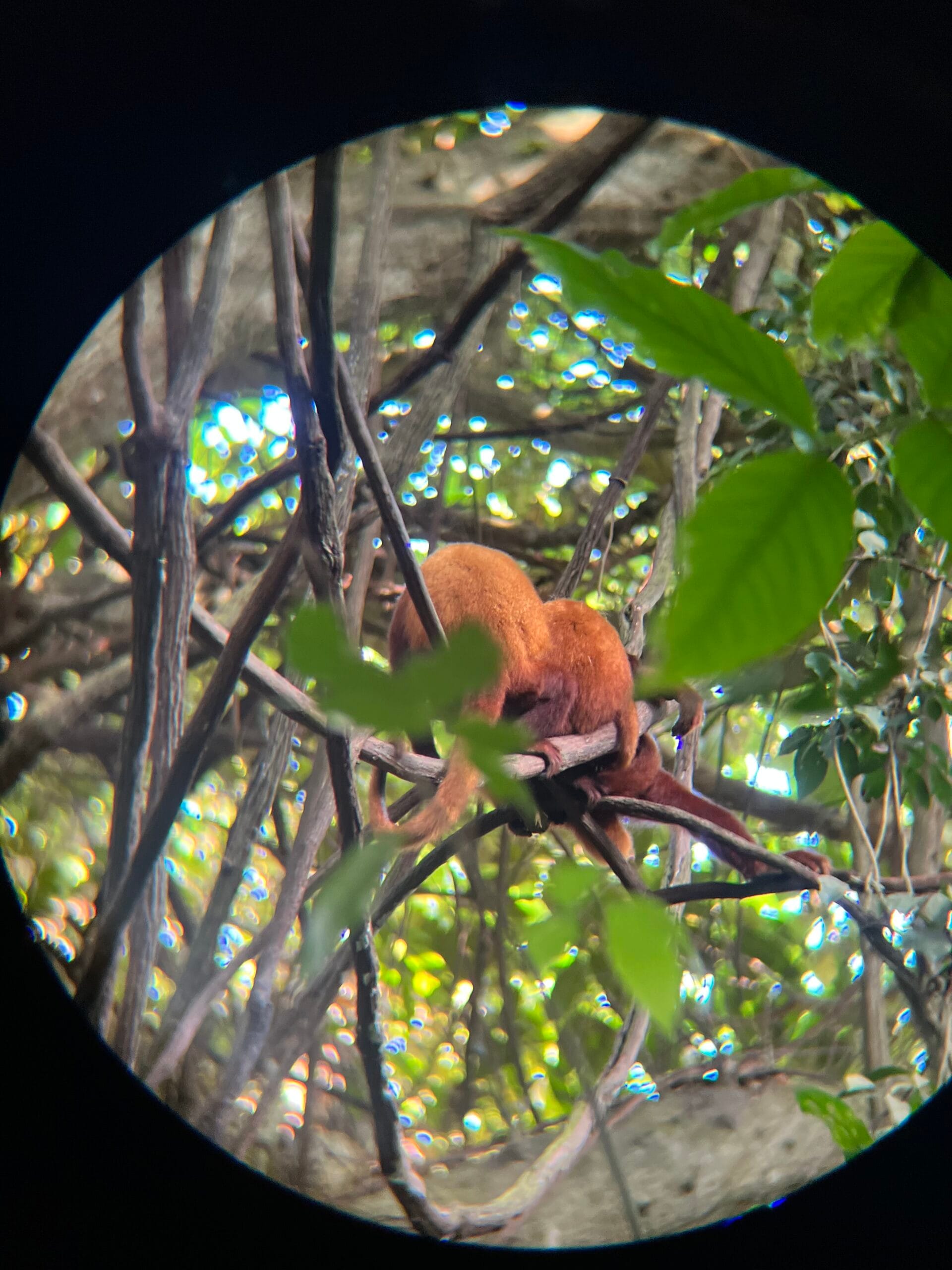
A lo largo del camino es posible observar monos aulladores y capuchinos, ñeques (agutíes), cangrejos terrestres, colibríes de tierras bajas, reptiles y anfibios del bosque, y con algo de suerte el emblemático paujil de pico azul, una de las aves más importantes en conservación dentro del parque.
Entre mayo y agosto también es posible encontrar árboles frutales como aguacates silvestres, usados por la fauna local y las comunidades del territorio
You Might Be Interested In: Animales que puedes en el Parque Tayrona(Guía realista)
The Little Town of Chayrama: Ancestral Memories Facing the Caribbean
One of the highlights of the tour will be the section through Chairama (Pueblito) Archaeological Site.
This ancient pre-Hispanic settlement, whose archaeological records date back to approximately the 7th century A.D., was one of the most important ceremonial and residential centers of the ancient peoples of the Sierra near the sea.
Currently, access to the archaeological site by tourists remains restricted as part of agreements on conservation and cultural respect with the indigenous communities in the area.
Here we'll take a moment to reflect on its history, its spiritual connection to the Sierra, and its significance today.
Cabo San Juan and the beaches of Tayrona Park
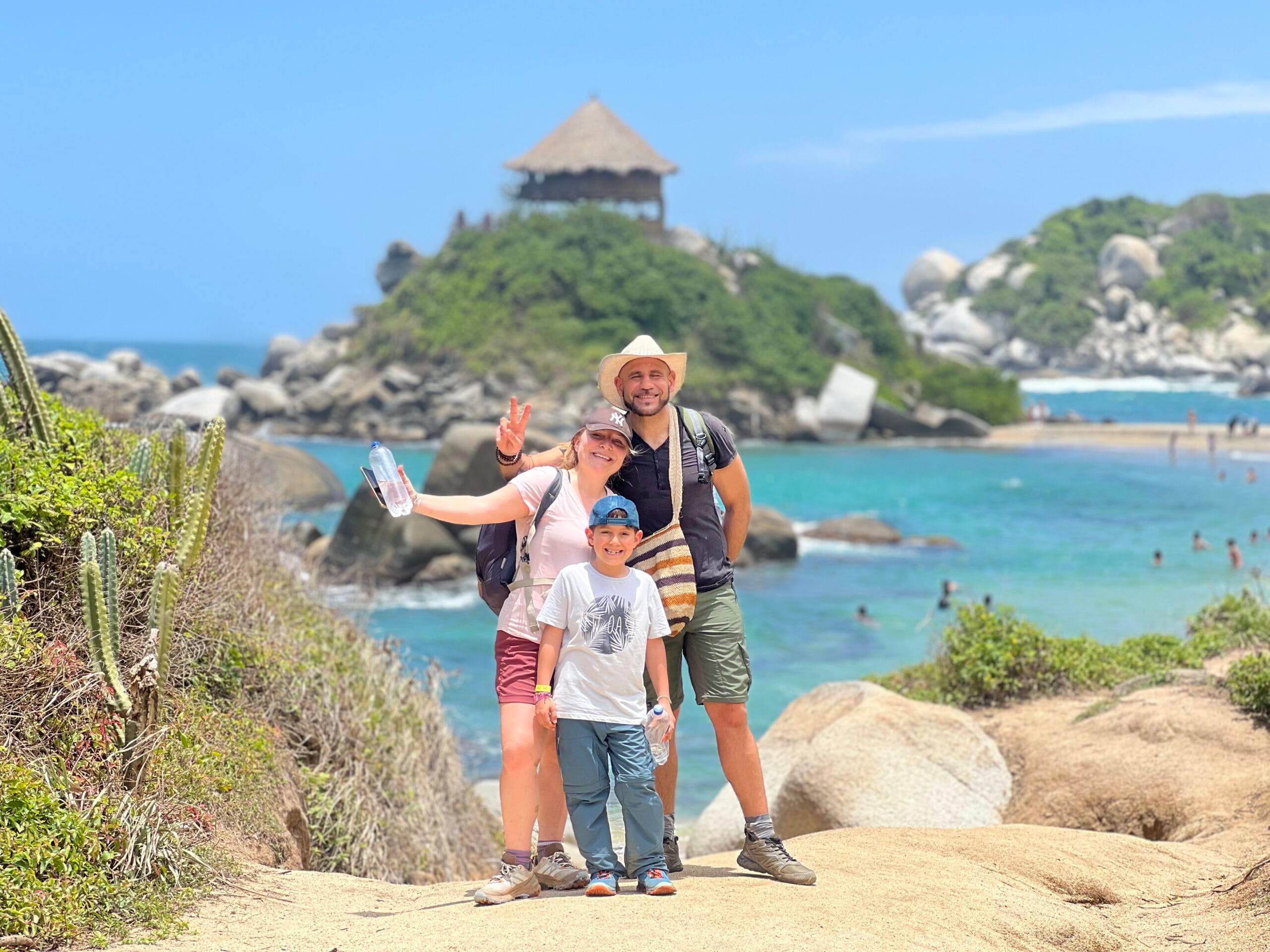
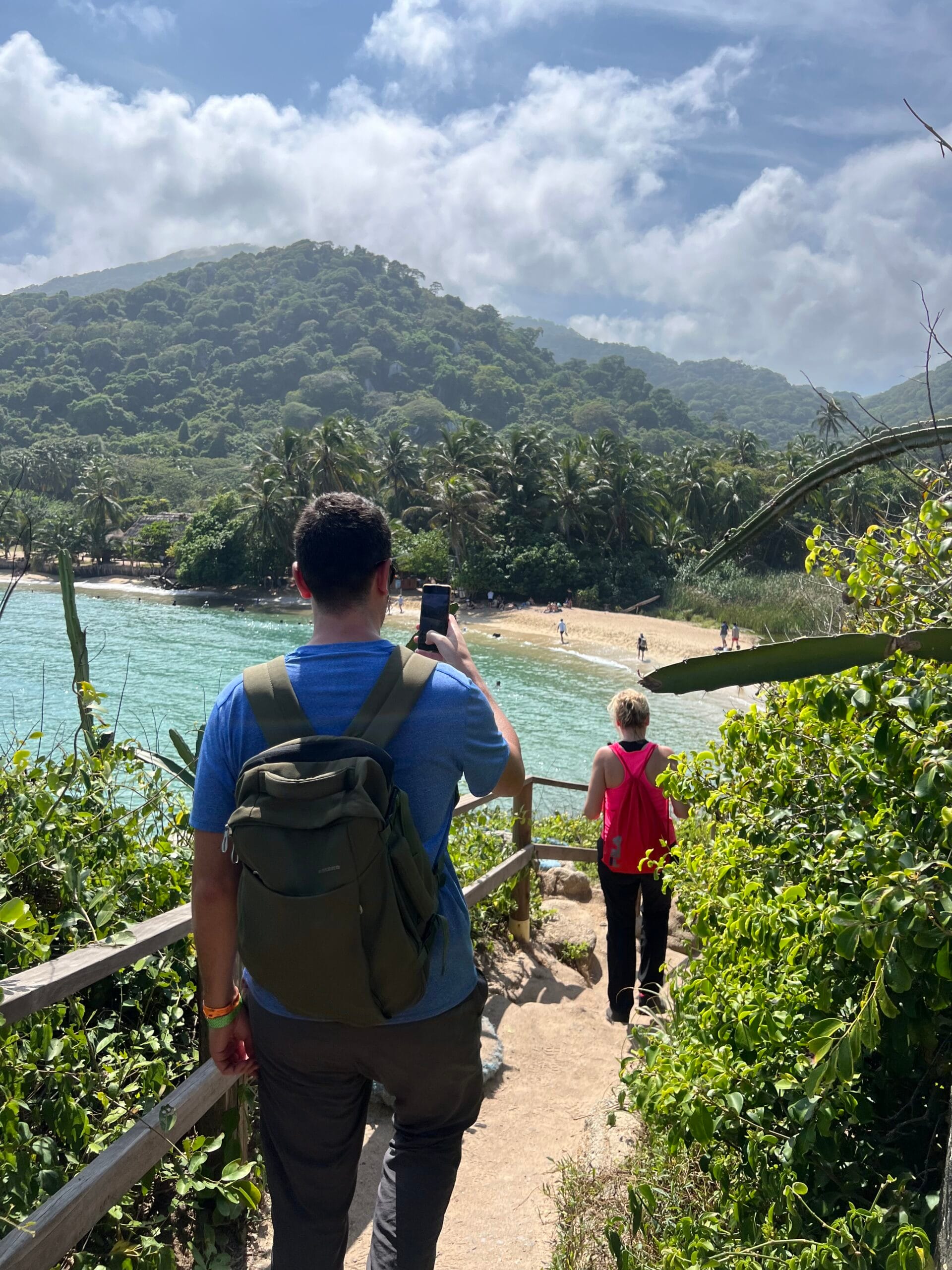
Continuando el descenso, pasaremos por sectores costeros emblemáticos como Playa Nudista, Bocas del Saco y, finalmente, el icónico Cabo San Juan del Guía, donde podremos disfrutar de vistas panorámicas y fotografiar uno de los paisajes más representativos del Caribe colombiano.
Due to the large number of visitors during certain seasons, our tour continues on to quieter areas of the park.
Snorkeling, quiet beaches, and lunch by the sea
Avanzaremos hacia zonas de aguas más calmadas como Playa La Piscina y Playa Arenilla, donde tendremos tiempo para nadar, relajarnos y hacer snorkel en condiciones favorables, observando peces de arrecife, pastos marinos y, ocasionalmente, tortugas marinas.
Afterward, we'll enjoy lunch overlooking the ocean, with local options depending on what's available that day.
Kogui Trail and Park Exit
En horas de la tarde retomamos la caminata por el sendero de salida, atravesando Arrecifes, el Sendero del Conocimiento (o Sendero Kogui), zonas de anidación de tortugas marinas y miradores naturales hacia Cañaveral y otros sectores costeros del parque, interpretando la relación entre naturaleza, conservación y cosmovisión indígena.
Tras completar la caminata, nuestro transporte estará esperando en la salida del parque para regresar a Santa Marta.
End of the experience
Después de tres días recorriendo montaña, selva, sitios arqueológicos, comunidades indígenas y playas escondidas del Caribe colombiano, termina una experiencia diseñada para quienes buscan ir más allá del turismo convencional.
Aquí no solo recorriste senderos: caminaste sobre la memoria viva de la Sierra.
What does this experience include?
Guided Tours and Interpretation of the Area
✔ Professional guide in Spanish
✔ English-language guide included
✔ French-language guide available for an additional fee of COP $50,000 per person
Transportation and Logistics
✔ Ground transportation by car from Santa Marta
✔ Return transportation from Tayrona National Park to Santa Marta
✔ Local motorcycle transfers with licensed local drivers
Meals for the 3 days
✔ 2 breakfasts
✔ 3 lunches
✔ 2 dinners
✔ Energy snacks during the hike (artisanal bread, coffee, or other options depending on the route)
✔ Local, in-season fruits
Hydration
✔ Bottles of water at various points along the route
Tickets and Experiences
✔ Admission to the Bunkuany archaeological site
✔ Cultural activities within the indigenous community
✔ Admission to Tayrona National Natural Park
Accommodations
✔ 1 night inside the indigenous reservation (depending on the option selected: Bed upon request and subject to availability, OR hammocks with mosquito nets and blankets)
✔ 1 night in a hammock with a mosquito net right on the beach at Playa Brava
Safety and Local Support
✔ Assistance insurance during the experience
✔ Tayrona National Park admission ticket
✔ Community contributions and direct contributions to local economies and land conservation efforts
Does not include
✘ Personal expenses.
✘ Services not described in the program.
✘ Alcoholic beverages.
✘ Snacks or additional purchases during the tour.
✘ Handicrafts or additional voluntary contributions to local communities.
Recommendations
To get the most out of this journey through the The Sierra Nevada de Santa Marta and the Tayrona National Natural Park, we recommend bringing:
Clothing and Footwear
✔ Lightweight, comfortable clothing for hot and humid weather.
✔ Long hiking pants (preferably detachable or quick-drying).
✔ A change of clothes for each day and light sleepwear.
✔ Shoes suitable for trekking or hiking with good traction.
✔ Sandals or flip-flops for relaxing in the evenings.
Personal protection
✔ Sunscreen.
✔ Insect repellent.
✔ Cap or hat.
✔ Lightweight raincoat or rain poncho (especially during the rainy season).
Hygiene and Personal Care Items
✔ Personal hygiene kit:
- Toothbrush and toothpaste
- Biodegradable soap, preferably
- Quick-drying towel
✔ Reusable water bottle or thermos (there are refill stations and filters available along the route).
Recommended Optional Equipment
✔ Hiking poles or walking sticks.
✔ Headlamp or small personal flashlight.
✔ Waterproof bag to protect electronics and documents.
✔ Camera or binoculars for wildlife viewing.
Health and Wellness
✔ Personal medications, if needed.
✔ Please notify us in advance of any medical conditions, allergies, or significant dietary restrictions.
Who is this experience for?
This itinerary is designed for travelers who want to go beyond conventional tourism.
It's ideal for people who enjoy:
✔ Explore areas that have seen little human impact.
✔ Hike through the mountains, the jungle, and along the coast.
✔ Learn about ancient cultures with respect.
✔ Observe wildlife in its natural habitat.
✔ Adapt to humidity, weather changes, and natural trails.
✔ Stay in simple, authentic accommodations that are connected to the local area.
This experience is not recommended for those seeking luxury, urban comforts, or large-scale activities.
Here, the real star is the region itself.
Recommended fitness level
Level: Moderate to Moderate-High
- Day 1: A progressive hike with a better balance between ascents and descents.
- Day 2: Cultural tours + hike to Playa Brava.
- Day 3: The most physically demanding day, with high humidity, ascents, descents, and greater exposure to the tropical climate.
Recommended for travelers who are physically able and willing to walk several kilometers a day.
Highlights of this experience
Why is this route different?
✔ Explore the archaeological site at Bunkuany Archaeological Site, one of the most important ancient sites open to community-based tourism.
✔ Experience true immersion within a community Kogui, learning about traditions, crafts, coca leaves, natural fibers, and the indigenous worldview.
✔ Explore off-the-beaten-path trails through tropical rainforests, mountains, and the Caribbean Sea.
✔ Discover wildlife in its natural habitat: birds, monkeys, amphibians, reptiles, and other inhabitants of the Sierra.
✔ Connect two worlds in a single expedition: the cultural depth of the The Sierra Nevada de Santa Marta and the wild beaches of the Tayrona National Natural Park.
✔ Wrap up the experience by exploring iconic areas such as Brava Beach and Cape San Juan del Guía.
Book your experience
Would you like to explore the Sierra, spend time with indigenous communities, and end your trip by the Caribbean Sea?
Check available dates and receive personalized service directly from our local team.
Important Information Before Booking
This experience takes place in rural areas, nature trails, indigenous territories, and tropical rainforests.
During the tour, you may come across:
- high temperatures and humidity,
- rain,
- mud in some areas,
- insects,
- and the region's native wildlife.
The itinerary is designed for travelers with a spirit of exploration, respect for local communities, and a willingness to adapt to the realities of the natural environment.
 Español de Colombia
 English
 Français