How to Visit the Tatacoa Desert in 2026: A Complete Guide
The Tatacoa Desert It is one of Colombia's most unique landscapes and one of the most visited destinations in the Department (Province) of Huila.
You might be interested in: Trips to the Tatacoa Desert
This guide covers the essentials for planning your trip: what it is, where it’s located, how to get there, which route can save you time, what to do before and after you arrive, the best time to visit, and how many days it’s worth spending in this corner of Colombia.
Table of Contents
What exactly is the Tatacoa Desert?
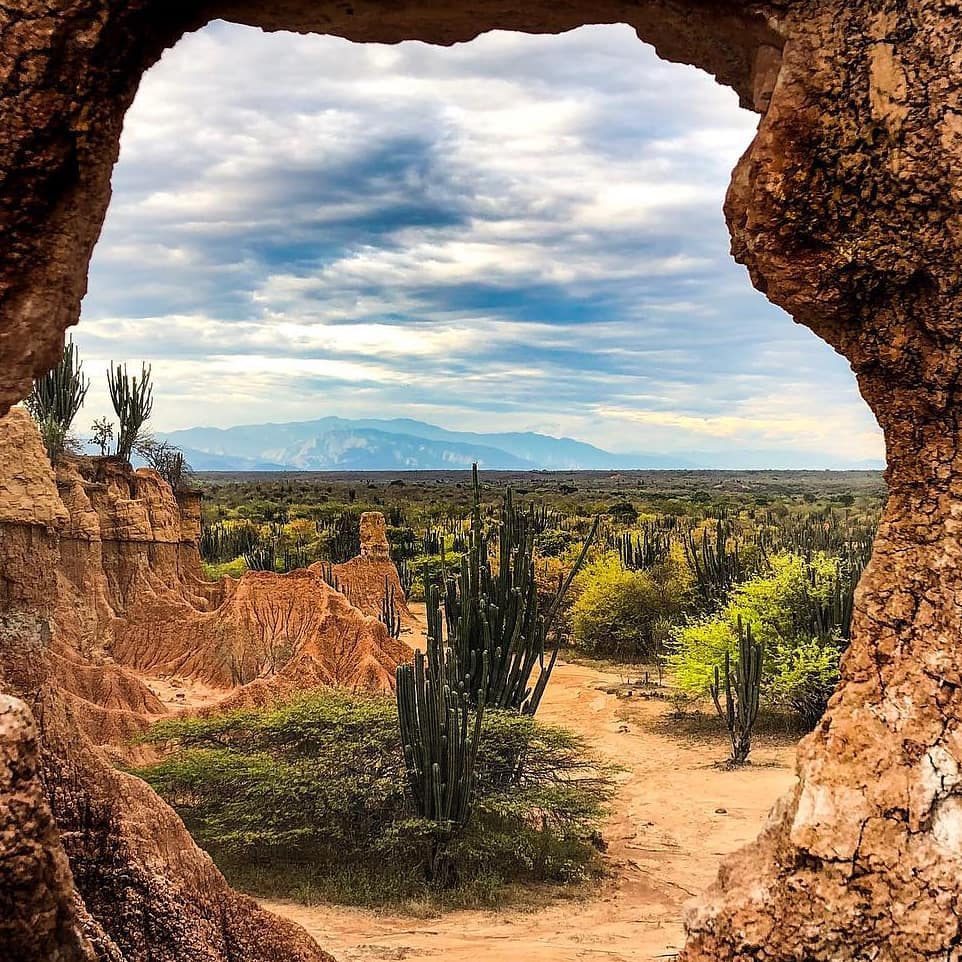
Although is commonly known as a desert, It is actually part of a tropical dry forest ecosystem shaped over thousands of years by erosion, the climate, and the action of water and wind.
The Tatacoa Desert is Colombia's second-largest arid region, after the Guajira Desert, covering 330 square kilometers, making the Tatacoa one of the most beautiful and impressive deserts in the country.
You might be interested in: Travel to Alta Guajira in 2026
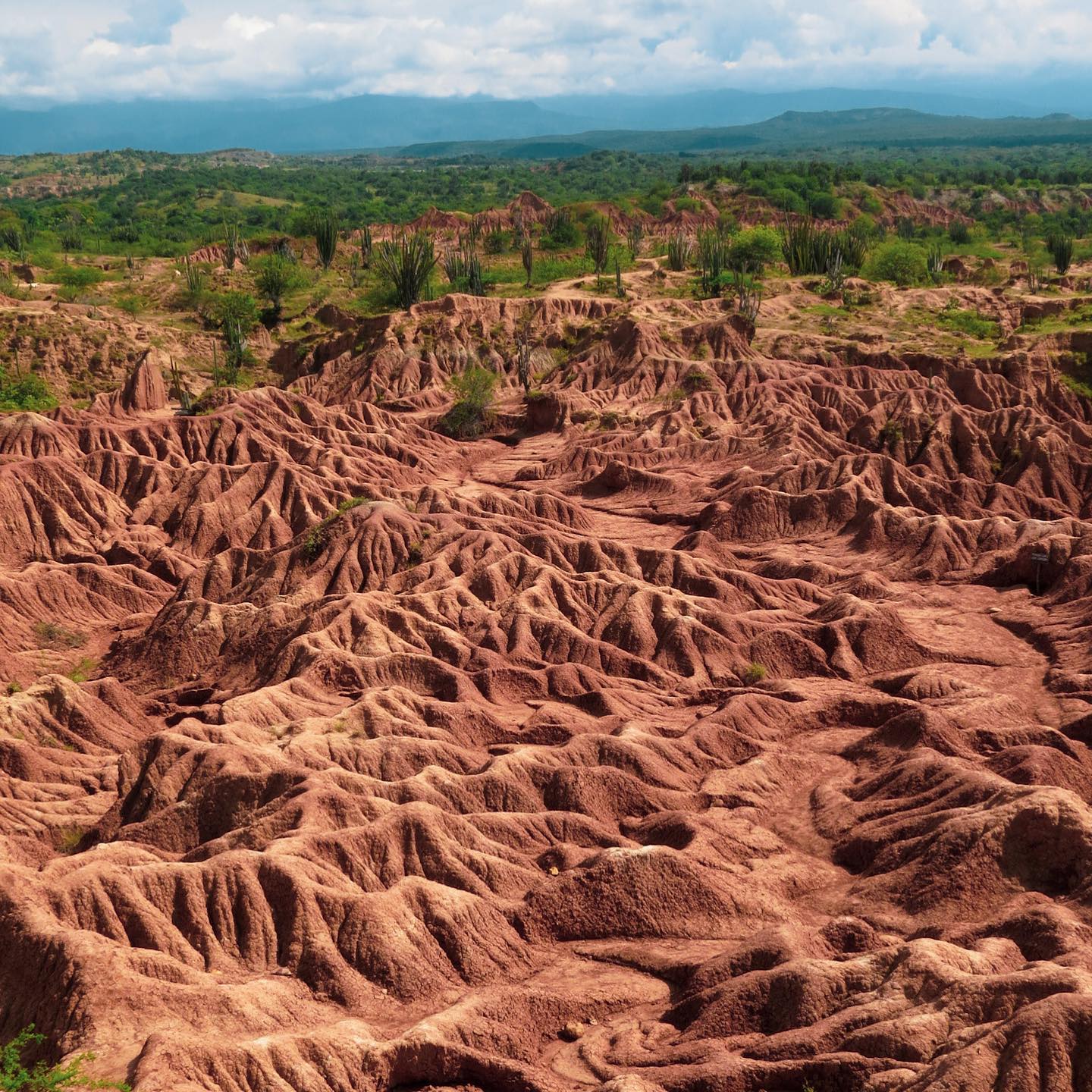
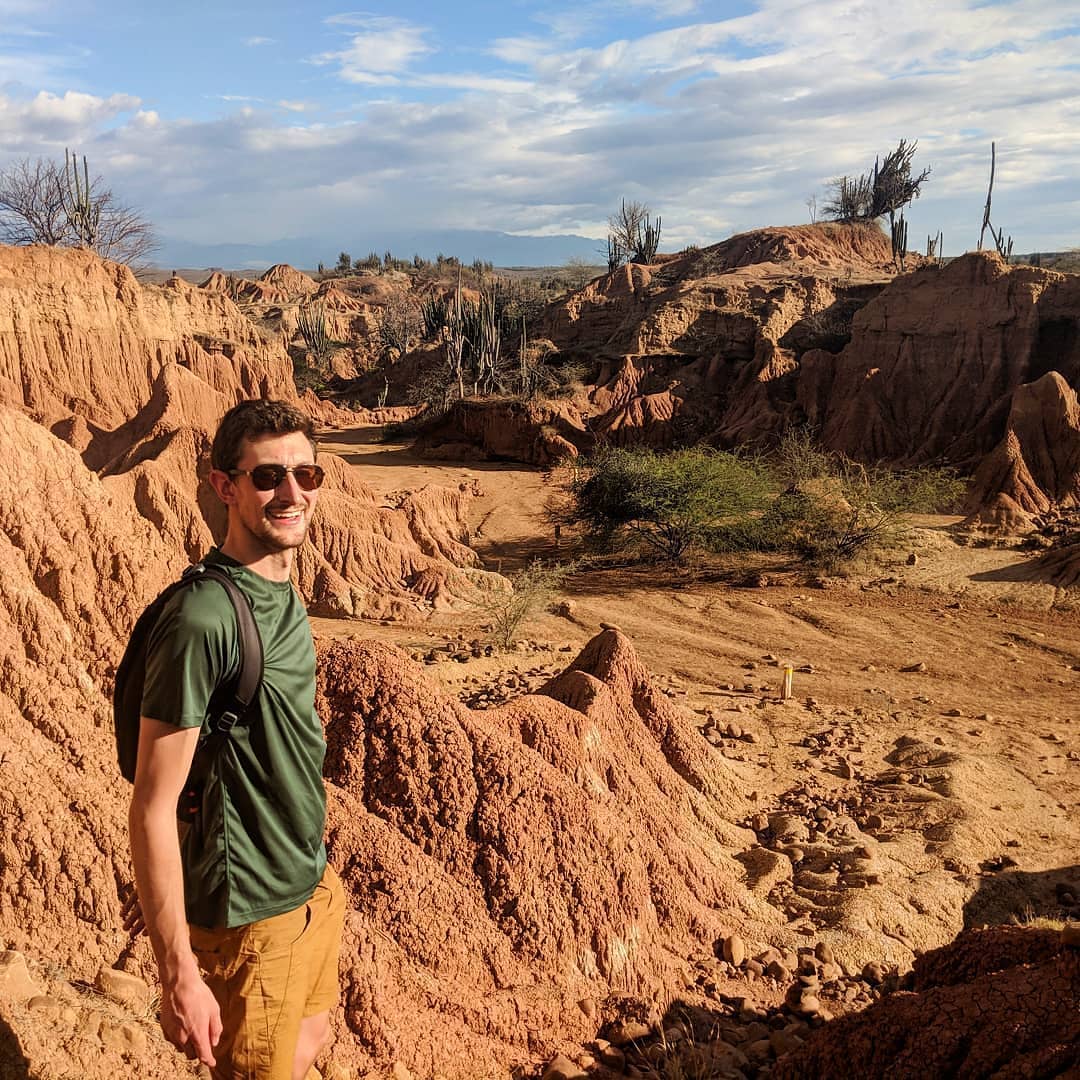
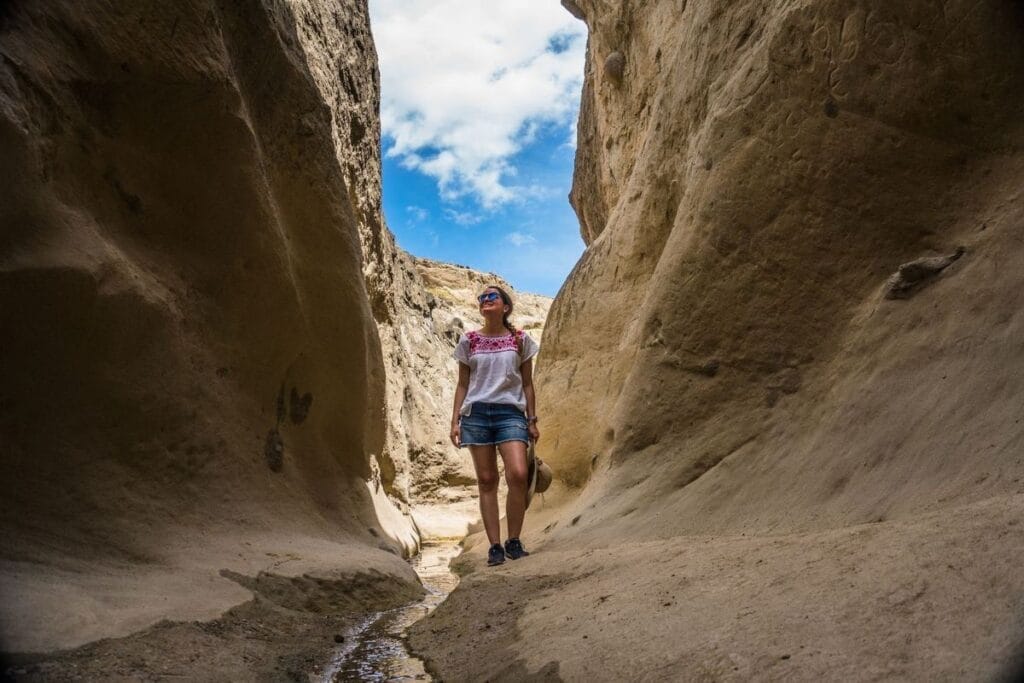
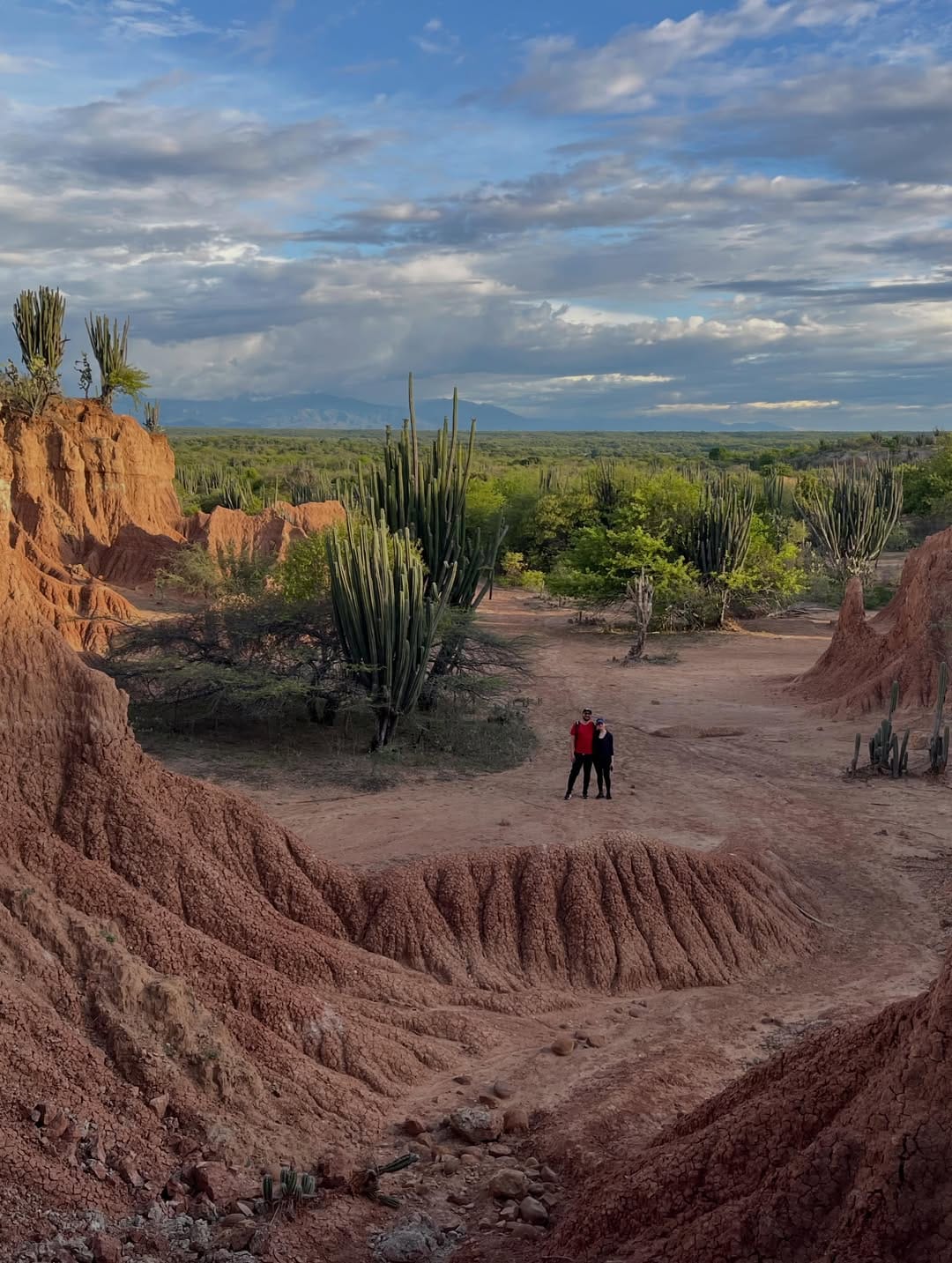
Its rock formations and the contrast in colors—on one side, an area with red or ochre soils in the Cusco region, and on the other, an area with gray soils in Los Hoyos—make this desert an unforgettable experience and a true feast for the eyes.
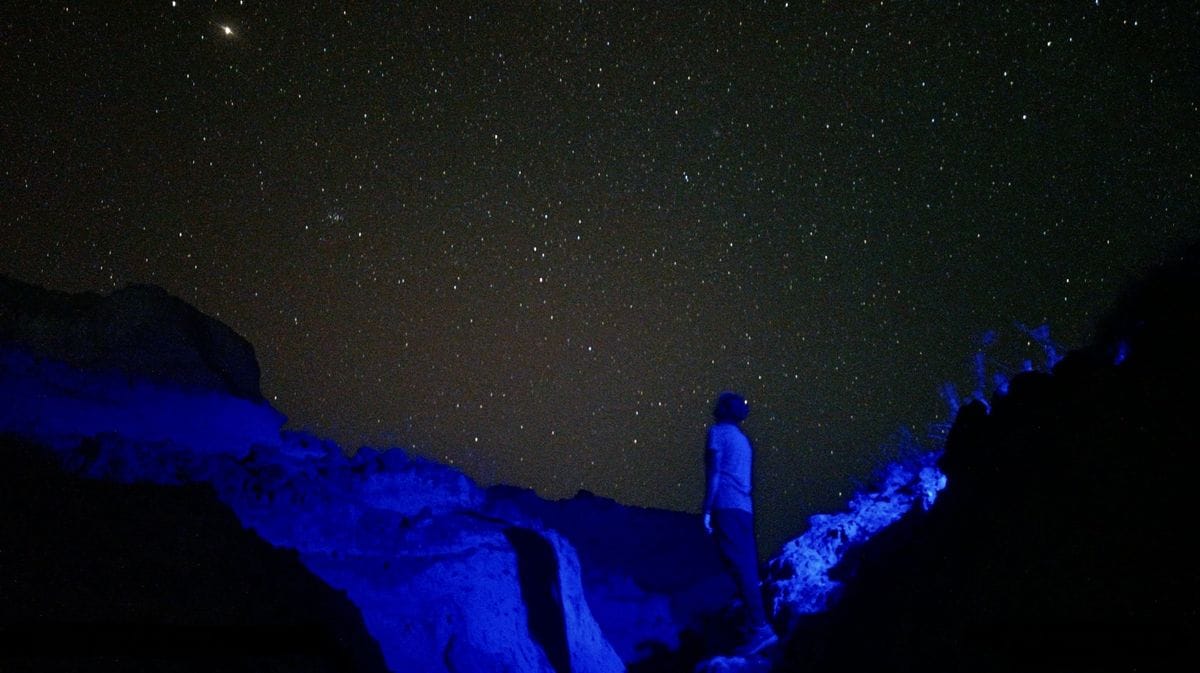
In addition to its desert landscapes and rock formations, the Tatacoa region is home to a wealth of paleontological remains, and at night, the vastness of the clear sky offers a spectacular view for astronomy enthusiasts.
Tatacoa Desert | Gallery
Where is the Tatacoa Desert located?
The Tatacoa Desert is located in Colombia, specifically in the Huila Department, in the municipality of Villavieja, about 44 kilometers north of the city of Neiva and about 320 kilometers from the city of Bogotá, between the Magdalena River and the Eastern Mountain Range.
Just for your information, The name Tatacoa It is also the name given in this same region to rattlesnakes, and in other parts of the country, "Tatacoa" is the name given to certain harmless black snakes.
How do you get to the Tatacoa Desert?
There are two ways to get to this destination, depending on your time, budget, and the travel plans you've made.
Please keep in mind that the trips often depart from major cities or cities near Huila, such as Bogotá, Medellín, and Cali.
Traditional Route → First, travel to Neiva, then continue on to Villavieja
This is the traditional way to get to the Desert—or at least to the city and municipality where it is located—and This is usually the best-known route, although it isn't always the most time-efficient one.
First, you must travel to the city of Neiva. You can do this by bus, plane, or in your own vehicle. Once in Neiva, you should head to Villavieja; to do so, you can continue on the bus or in your own vehicle. Villavieja is the town closest to the desert—it will only take 15 minutes to get there.
Keep in mind that whether you're traveling alone or in a group, the best option for getting around is to rent a car—it's convenient, fast, and lets you manage your time on the road. The group can split the cost of this service, which will keep expenses lower.
Please inquire about the dates of our trips to the Tatacoa Desert from Bogotá.
Alternative route → Go to Aipe and cross over to Villavieja
This alternative is one of the options many people choose, since it saves them a little more time and money, allowing them to enjoy their destination more. Keep in mind that this option is entirely overland.
First, you must travel from your current location or hometown to the municipality of Aipe, which is located in the northwestern part of the department of Huila on the left bank of the Magdalena River, about 32 kilometers from the city of Neiva. Once there, you can take a shortcut to get to Villavieja faster.
In Aipe, be sure to ask where the ferry terminal is located; this will help you cross the Magdalena River and reach Villavieja in just a few minutes, as it is the closest town to the desert. This option would save you approximately two (2) hours of travel time, not counting the time spent waiting at stops, entering, and exiting to get from Neiva to Villavieja.
From the central square in Aipe to Villavieja, it takes about 15 to 30 minutes on foot, and it takes less time by car. However, taking the traditional route can take more than two (2) hours.
The Ferry Has Values (which may vary): Car: $20,000 COP; motorcycle: $10,000 COP, including passengers. If you cross without a vehicle, the fee ranges from $2,000 COP to $8,000 COP.
The ferry operates from 6:00 a.m. to 6:00 p.m.
Note: Ferry schedules and operations may vary depending on the season and river conditions.
What should you do before entering the Tatacoa Desert?
In Villavieja, you can stay comfortably, and you should also take the opportunity to stock up on supplies: food, water, and items to help you stay hydrated and keep your energy up. Keep in mind that there are no stores in the desert where you can restock.
There are also the Casa del Totumo Museum and the Paleontological Museum, which house fossils and artifacts found in this area of the desert. In addition, The Chapel of Santa Bárbara, Victoria Stars (Astronomical Observatory) and La Victoria, which is a museum of natural history and gastronomy.
Visiting these sites will make your trip to the Tatacoa Desert one of the most fulfilling experiences you can have.
What to Do in the Tatacoa Desert?
Visiting Tatacoa is more than just arriving and taking photos; it’s an opportunity to explore one of Colombia’s most unique landscapes. Although it’s commonly known as a desert, this area is actually a dry tropical forest ecosystem where the climate, water, and wind have shaped the landscape over thousands of years. The experience varies depending on the time of day and how much time you have available.
Exploring the Landscapes of the Red Desert
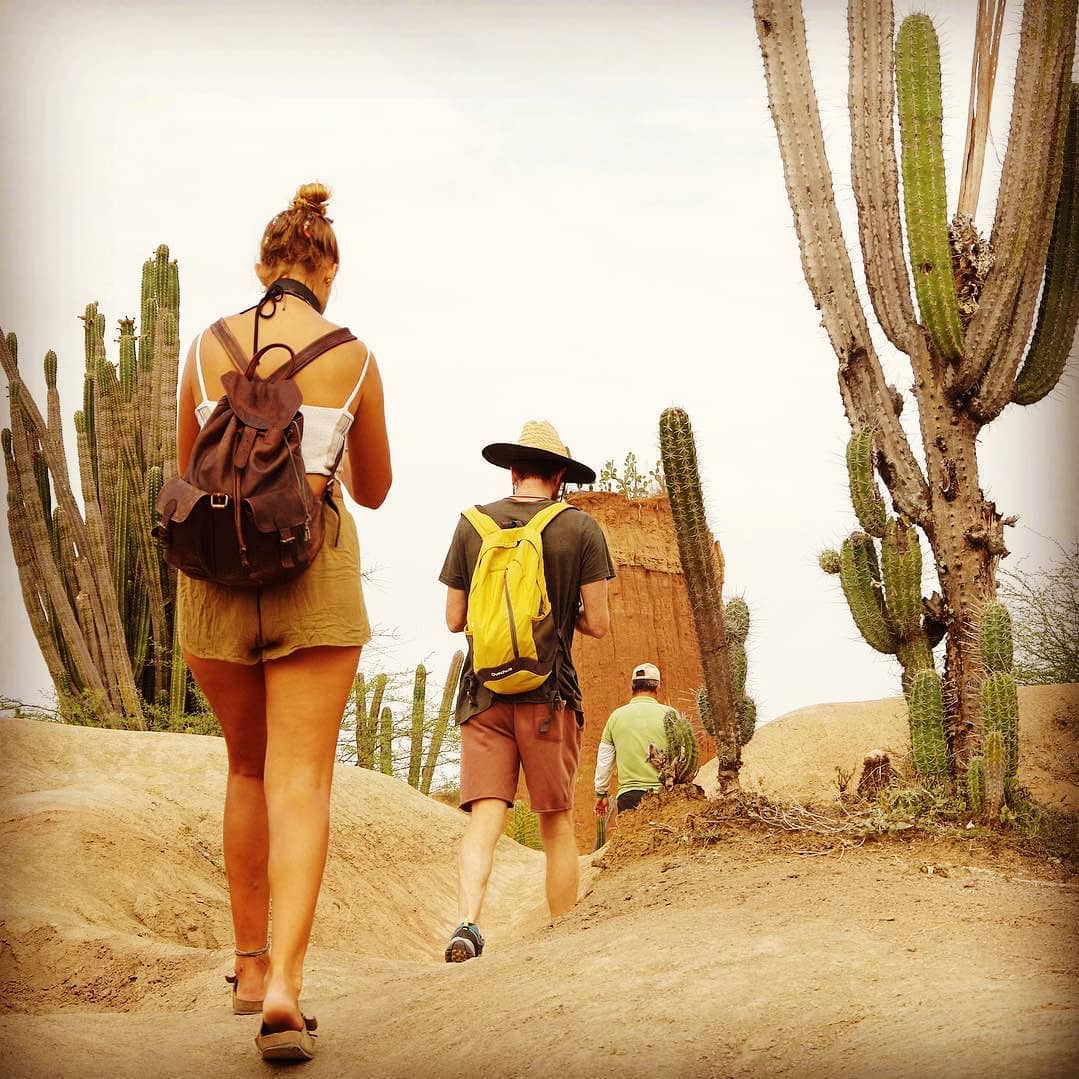
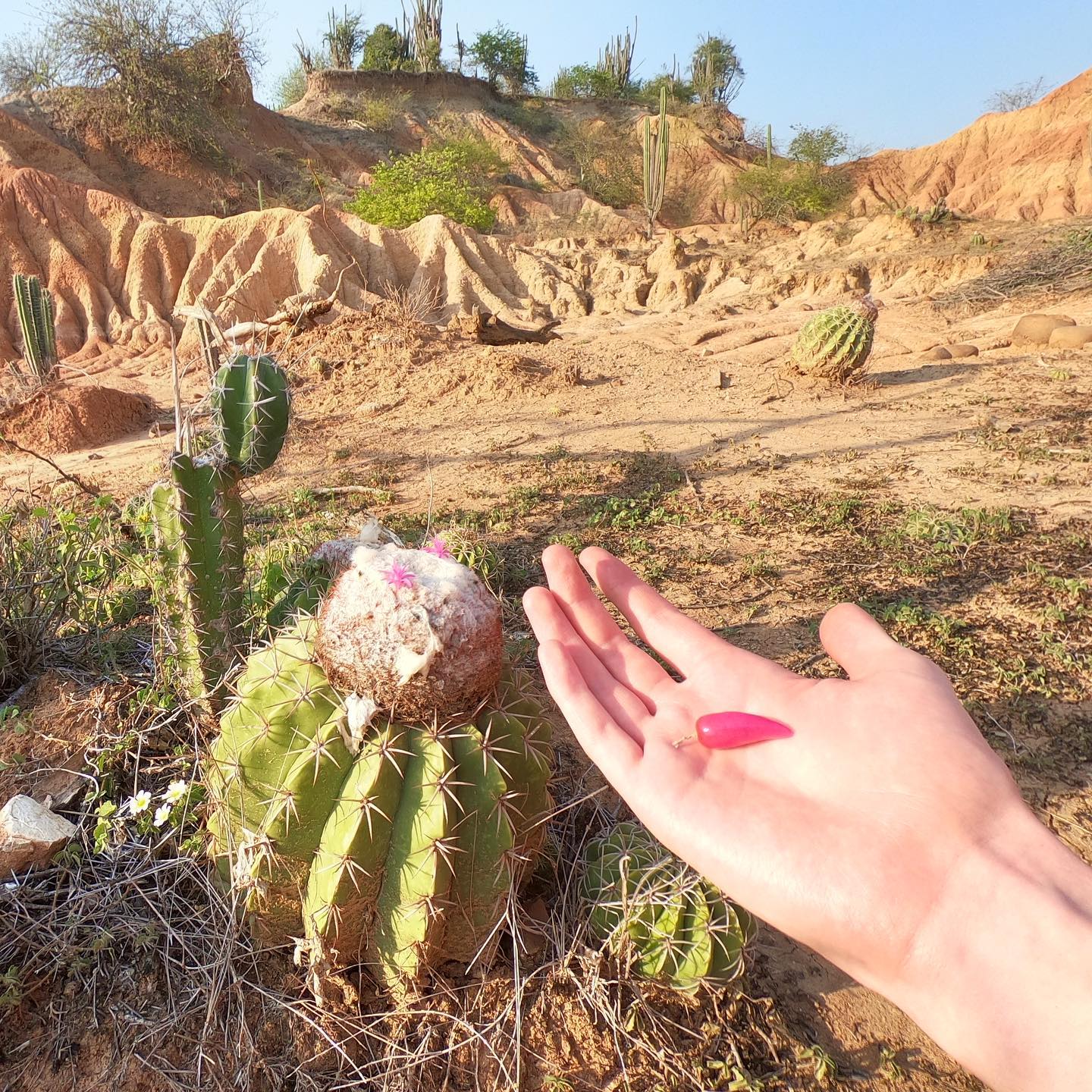
One of the most popular hikes is walking among the reddish rock formations and eroded trails that have made Tatacoa famous. It’s a great way to get a first glimpse of the landscape, observe the vegetation adapted to the dry climate, and enjoy natural lookouts. Based on our experience, we recommend taking these hikes early in the morning or around sunset to avoid the high temperatures.
Explore the gray area and discover a different landscape
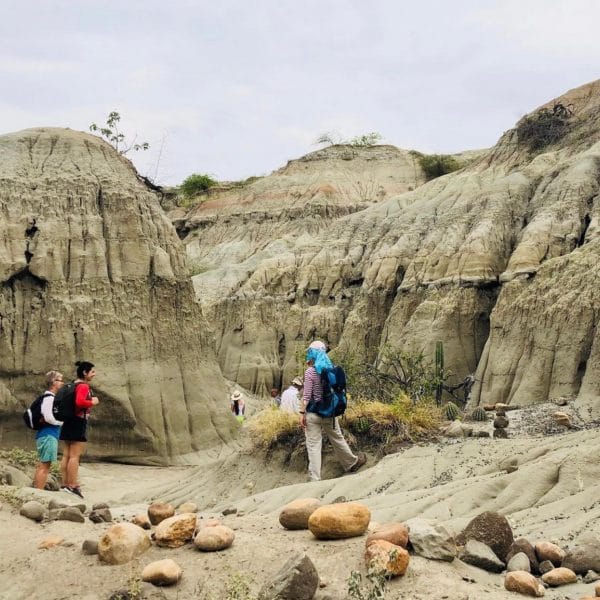
Many people arrive thinking that the entire area is red and are surprised to find gray-toned zones with completely different landforms. This section allows you to change the pace of the hike and see another side of the ecosystem.
Depending on how much time you have, you can combine it with short walks and breaks to rest.
Astronomical Observation in Tatacoa
One of the destination’s most iconic activities takes place after dark. Thanks to the natural surroundings and the low level of light pollution compared to urban areas, La Tatacoa has become one of Colombia’s leading destinations for stargazing.
More than just stargazing, the experience typically includes a guided tour of the night sky, talks, and observation using specialized equipment, depending on availability and weather conditions.
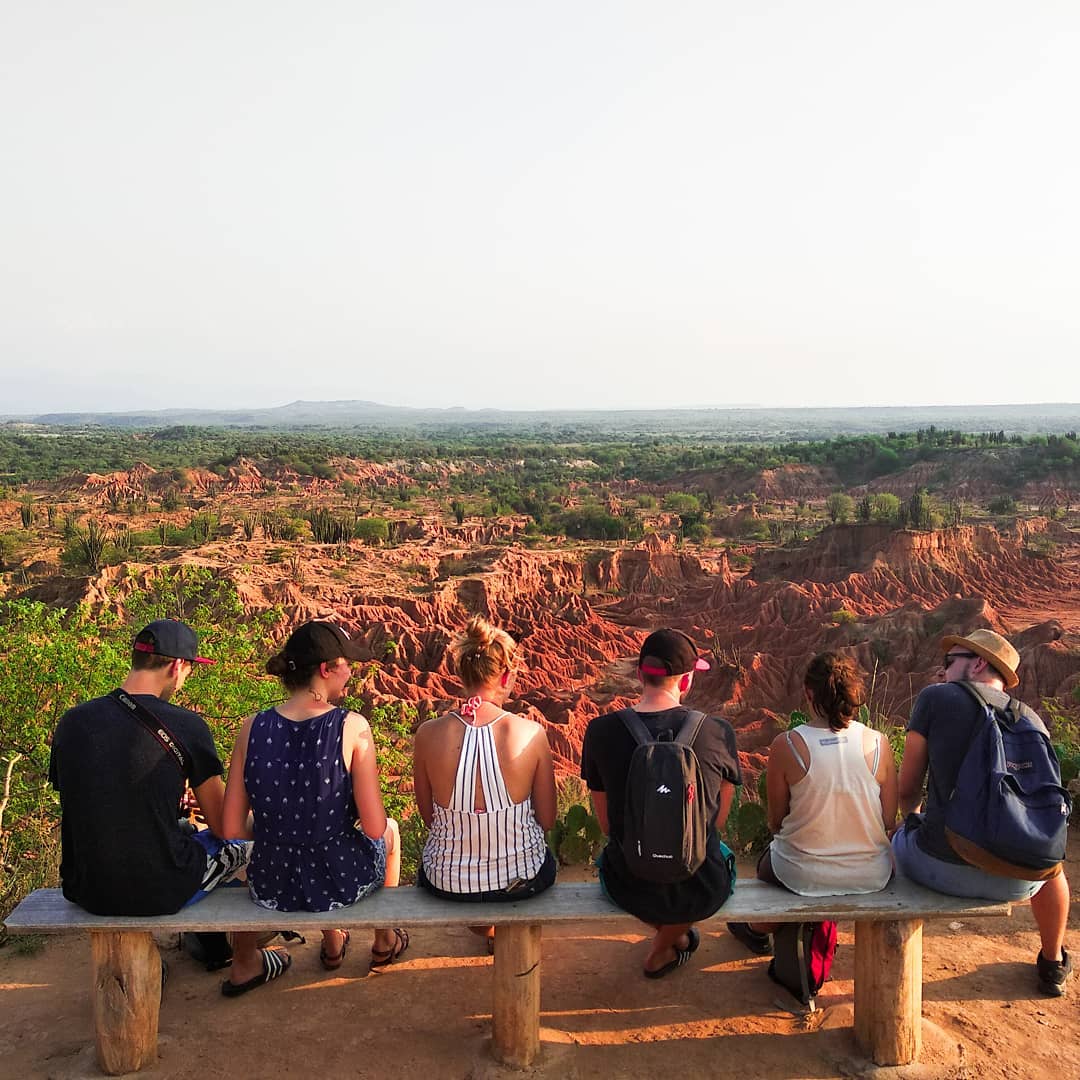
Watch the sunset and take a moment to admire the scenery
Some travelers remember the changing light more than any other activity. As the sun goes down, the colors of the landscape change dramatically, and shadows appear that transform the terrain.
It's a great time for photography and taking in the scenery.
When is the best time to visit the Tatacoa Desert?
You can visit the Tatacoa Desert year-round, but we recommend keeping the following dates and weather conditions in mind:
- June through August: This is the driest season and the one most highly recommended. The skies are clearer, which makes for optimal stargazing at the observatories.
- December through February: Another season of dry, sunny weather. The heat is intense, but the conditions are ideal for exploring the Red Desert (Cusco) and the Gray Desert (Los Hoyos).
- March through May – October through November: It is the rainy season, and we recommend avoiding travel during this time, as flooding may occur on dirt roads, making it difficult to access various sites in the area. In addition, visibility of the stars may be poor or nonexistent during this time of year.
When is the best time to visit?
The best time to travel to the Tatacoa Desert is Between June and August; you can also schedule appointments from December through February. These months mark the dry season, with very clear skies full of stars—perfect for stargazing.
Is it worth going to Tatacoa for 1 day, 2 days, or 3 days?
Depending on your travel pace, here's what you can expect:
- 1-Day Option: The pace is very fast, and all you’ll be able to do is visit the Red Desert (Cuzco) and make a brief stop at the Astronomical Observatory. To do all this, you’ll have to arrive very early, endure the extreme midday heat, and rush off in the afternoon without getting to see the Gray Desert. This option might work for you if you’re just passing through Huila.
- 2 Days and 1 Night: This is the ideal option because the pace is more relaxed and comprehensive. For example, the Day 1 You can spend your time visiting the desert to admire its reddish hues and, at night, enjoy the astronomical observatory while gazing at the stars. Once the Day 2 Make the most of it by starting your day very early to explore the Desierto de los Hoyos with its shades of gray and the Tatacoa pool. The advantage is that if you spend a night in the desert under a clear sky, you’ll get to enjoy one of the area’s greatest attractions.
- The 3-Day, 2-Night Option This is a good choice if you’re looking for total relaxation at a very slow pace. In addition to the activities we mentioned for the two-day itinerary, this option will allow you to go on longer hikes, visit the paleontological museum in Villaviejo, or relax at one of the available lodgings. For many, this option can become monotonous in the desert after the second day, since there are no additional activities available there and the high temperatures wouldn’t allow for much else.
Frequently Asked Questions
How do I get to the Tatacoa Desert by plane?
To reach the Tatacoa Desert by plane, you must take a commercial flight to the city of Neiva, Benito Salas Airport, from there, you'll travel by land for about 1 hour and 20 minutes to the town of Villavieja, the gateway to the desert.
- Flight to Neiva: The most efficient way is to fly to Neiva from major cities such as Bogotá.
- Major Airlines: Routes frequently operated by airlines such as Easyfly, now known as Clic, and Avianca.
- Duration: The direct flight from Bogotá takes about 1 hour and 15 minutes.
Is it dangerous to go to the Tatacoa Desert?
The Tatacoa Desert is one of the safest and most peaceful places, so visiting it is a very relaxing experience. However, more than safety concerns, the main challenges tend to be related to the heat, sun exposure, and the natural environment.
To get the most out of the experience, keep the following in mind:
- Climate and Sun Exposure: Temperatures can be high during the day, and much of the trail has little shade. Try to hike early in the morning or in the late afternoon and avoid the hours when the sun is at its strongest. Be sure to bring enough water for the hike, sunscreen, sunglasses, a hat or cap, and comfortable clothing that will help protect you from the sun.
- Stay on marked trails: In some areas, the trails may look similar to one another. Following marked trails helps you find your way more easily and reduces your impact on the environment.
- Respect wildlife and the natural environment: As in other dry ecosystems, there is wildlife adapted to this environment. Avoid handling rocks, putting your hands into crevices, or straying from the designated trails.
- Consider local support for broader tours: If you want to explore different parts of the desert or gain a better understanding of the area, having a local guide can make the experience more comfortable and enriching.
- If you plan to stay overnight: Use only accommodations or areas designated for visitors, and check in advance to see what services are available.
How do I get to the Tatacoa Desert from Pereira?
First of all, you should know that The Tatacoa Desert is located at 301 km from the city of Pereira, which takes 7 hours and 20 minutes by land, traveling south through the country.
With that in mind, here's how to get there:
- To begin your trip, head to the city of Neiva, Huila, either by public transportation from the local bus terminal in Pereira or by private car.
- Take the road leading to the city of Armenia; after passing through it, continue on the road toward the city of Ibagué until you reach the main highway (Espinal/Natagaima, southbound), which will take you to Aipe and then to the city of Neiva.
- After arriving in Neiva, you can get around using one of the local transportation services (private taxi service) or your own vehicle.
- The trip from Neiva to Villavieja takes just 45 minutes; Villavieja is the main town, rich in culture and history.
- From Villavieja, it’s a 15-minute drive to the heart of the Tatacoa Desert, where you can enjoy a once-in-a-lifetime experience.
How do I get to the Tatacoa Desert from Medellín?
- To get to the Tatacao Desert from Medellín, head to the North Bus Terminal and take a bus bound for Neiva–Huila, or drive yourself along the Medellín–Bogotá highway, where you’ll begin a journey of more than 500 kilometers, The trip takes about 11 hours.
- To begin the route, drive from Rionegro to La Dorada, passing through Ibagué and heading north through the department of Huila on the Espinal–Natagaima highway, which will take you to the city of Neiva, the capital of the department of Huila.
- After arriving in Neiva, if you're traveling by public transportation, you can take one of the local transportation options (taxi, motorcycle taxi, or the famous tuk-tuks). Villavieja, a town rich in culture and history, is just 45 minutes away.
- You'll leave Villavieja on a 15-minute drive to venture into the heart of the Tatacoa Desert, where you'll enjoy a once-in-a-lifetime experience.
How much is admission to the Tatacoa Desert?
There is no admission fee to enter the Tatacoa Desert., as it is a historic site and is currently open to tourists who wish to explore and enjoy its attractions.
How much does lodging cost in the Tatacoa Desert?
- Hostels and hotels in the desert: Rooms for couples from $ 80,000 to $ 750,000 and rooms Shared rooms starting at $35,000 per person. These options offer you the basic amenities for a pleasant stay.
- You can stay at the campground in safe areas within hostels and hotels, to relax under the stars and really get a sense of adventure. Only the tent area Between $15,000 and $25,000 COP per person. Tent Rental for 1 or 2 People between $40,000 and $50,000 per night and usually includes bathroom and shower facilities. Finally, there is the option of campground with breakfast included It's between $ and 30,000 COP, approximately.
In the desert, you can enjoy traditional regional dishes at restaurants located within the inns and hotels: Breakfast starting at $8,000, lunch and dinner starting at $15,000, and traditional regional dishes starting at $18,000.
How much does transportation from Neiva to the Tatacoa Desert cost?
It's important to have access to transportation services that allow you to travel from Neiva to Villavieja, enter and exit the desert, or take sightseeing tours within the area.
- Shuttle or bus from Neiva to Villavieja: $7,000 per person, or continue to the start of the Red Desert: $15,000 per person.
- You can also find motorcycle taxis or tuk-tuks in Villavieja that can accommodate three people and luggage. Fares start at $15,000 per person; once you enter the Red Desert, the fare varies depending on how far you want to travel to reach your destination.
Experiences Available in the Tatacoa Desert
From Round Trip Travel. SMR We work closely with the local community, who know the area well, which is why we recommend exploring the Tatacoa Desert with us on a tour lasting from 1 to 3 days.



 Español de Colombia
 English
 Français