Every year, when the temporary closures of Tayrona Park are announced, Many people wonder why this happens and what it means.
To some travelers and visitors, this may seem like a measure related solely to conservation or tourism operations. However, For the indigenous peoples of the Sierra Nevada de Santa Marta, these moments have a much deeper meaning.
The closures of Tayrona Park are linked to cultural processes, spiritual and territorial which are part of the ancestral relationship between indigenous communities and this territory.
Understanding this context allows us to see Tayrona beyond its beaches and trails: as a living place that brings together nature, memory, and cultural significance.
Why Are Indigenous Peoples Calling for Tayrona Park to Be Closed?
For many people, finding Tayrona Park closed can come as a surprise or even force them to change their travel plans. However, for the indigenous peoples of the Sierra Nevada de Santa Marta, these closures do not represent periods of rest or tourism-related decisions.
These are moments that aim to promote processes of harmonization and stewardship of the land.
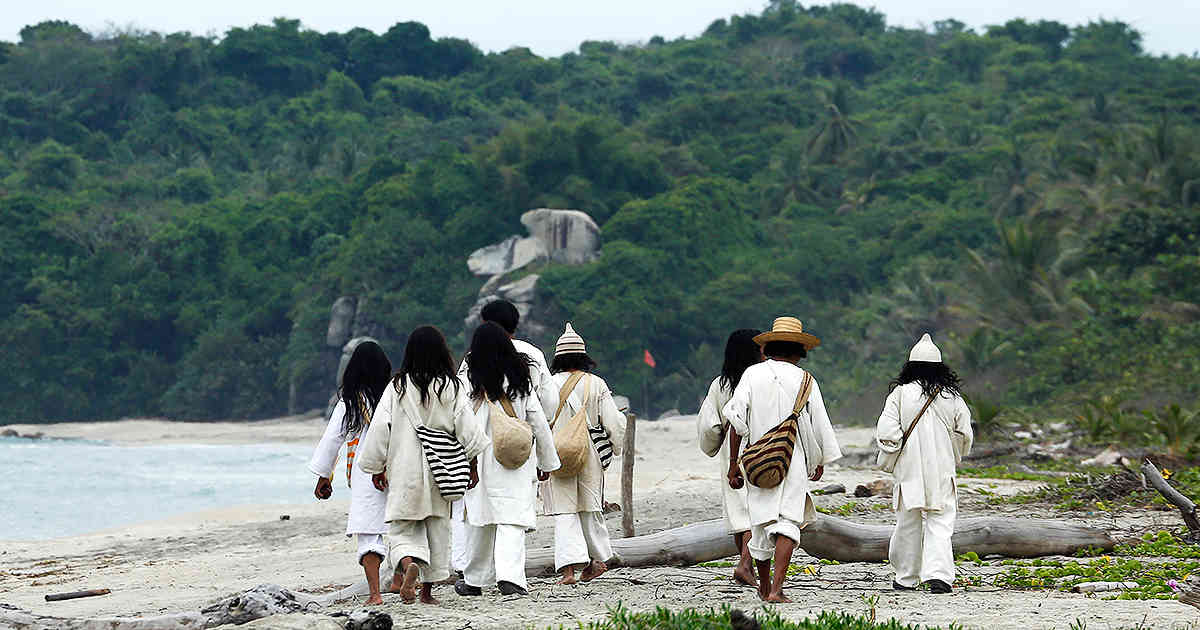
The indigenous peoples who have historically inhabited and protected the Sierra Nevada de Santa Marta—primarily the Kogui, Arhuaco, Wiwa, and Kankuamo—view this territory as a space where nature, culture, and spirituality are interconnected.
From this perspective, Tayrona Park is not merely a tourist destination or a protected area: it is also part of an ancestral and sacred territory.
At certain times of the year, temporary access restrictions are imposed to allow for traditional practices and to support the region’s unique dynamics.
Tayrona Park Closure Dates for 2026
Payments or Taxes and Spiritual Harmonization
Within the Indigenous worldview of the Sierra Nevada, there are places and times set aside to maintain the balance between people, nature, and the land.
During these periods, traditional practices focused on gratitude, reflection, and spiritual harmony may be observed.
These activities are part of the ancestral knowledge that various communities have preserved for generations.
Rest for the Region and Reduction of Tourist Pressure
Although the closure is usually associated primarily with cultural and spiritual aspects, it also coincides with times when pressure on certain areas of the park temporarily eases.
This can promote processes such as:
- Trail rest stop.
- Reduction in visitor traffic.
- Lower operating pressure.
- Areas for maintenance and monitoring.
However, the purpose of the closure should not be understood solely from an environmental perspective.
Protection of Ancestral Knowledge
For many indigenous peoples of the Sierra Nevada, the territory is also a form of memory and cultural transmission.
Some activities require specific time frames and conditions that differ from the usual dynamics of tourism.
For this reason, these periods are also viewed as opportunities for cultural continuity and the preservation of ancestral knowledge.
Do All Indigenous Peoples Agree with the Lockdowns?
People often refer to “indigenous peoples” as if they spoke with one voice. However, the Sierra Nevada is home to various towns, authorities, and organizational structures.
Discussions regarding Tayrona Park have historically involved dialogues between indigenous authorities and the entities responsible for managing the protected area.
Therefore, rather than viewing it as an isolated decision, it can be understood as part of a relationship between territory, governance, and conservation.
Are the Closures of Tayrona National Park Solely for Spiritual Reasons?
Although they are often explained solely from a spiritual perspective, the reality is broader than that.
For the indigenous communities of the Sierra Nevada, the territory is not usually divided into nature and spirituality: both dimensions are part of the same balance.
At the same time, these moments create opportunities to temporarily reduce the pressure on certain areas of the park.
This does not mean that there is a single explanation or a single way to interpret the closure.
Understanding the context helps us better grasp the complexity of the region.
What Does the Park's Closure Mean for Travelers and Visitors?
Finding Tayrona Park closed may require a change of plans.
But it can also be an opportunity to gain a better understanding of the region's cultural and geographical context.
Understanding the significance of these periods for certain communities allows us to broaden the travel experience beyond simply visiting beaches or hiking trails.
If you're planning a trip and looking for practical information about closure periods, check out our updated article on Tayrona Park's closure dates.
Tayrona Park Closure Dates for 2026
Traveling to Tayrona Also Means Understanding the Territory
Visiting Tayrona Park means entering a space where they converge ecosystems, cultural processes, and historical relationships which remain in effect.
Regardless of whether or not one agrees with the closures, understanding the context allows us to approach the region from a broader and more informed perspective.
Traveling can also be a way to understand the places we visit.
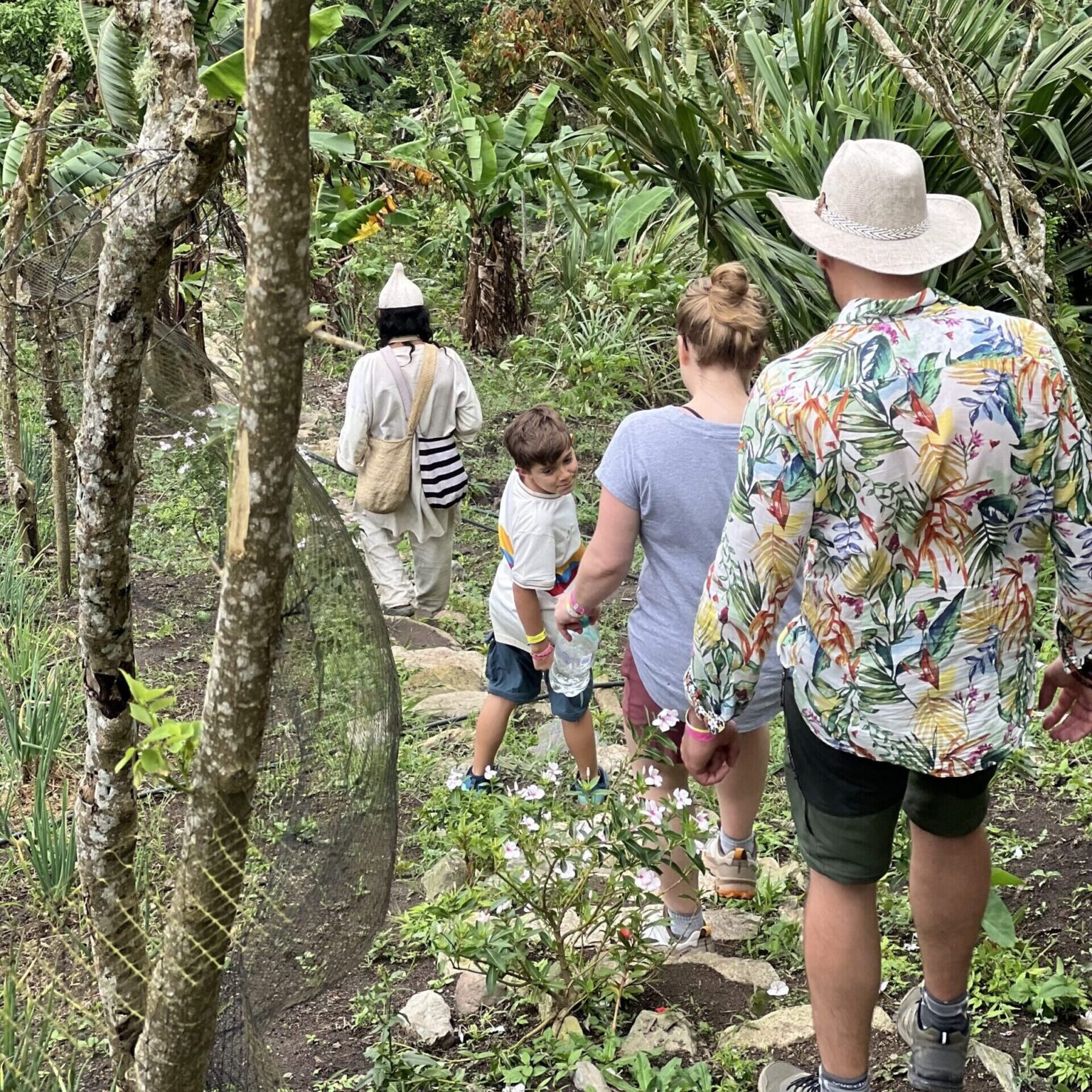
If you plan to travel during times when Tayrona National Park is closed, we invite you to explore experiences that connect you with Indigenous communities.


 Español de Colombia
 English
 Français