Fauna of Tayrona Park: Animals You Might Encounter (A Realistic Guide)
Animal Biodiversity in Santa Marta and its natural surroundings, especially Tayrona Park and the The Sierra Nevada de Santa Marta, is one of the most diverse on the planet.
This unique region, where the mountains rise from sea level to perpetual snow, is home to hundreds of animal species, many of which are endemic. However, Wildlife watching here isn't about “seeing animals easily”, but rather to learn how to Read the forest, understand its rhythms, and explore it with respect.
Why is Santa Marta's wildlife so unique?
The The Sierra Nevada de Santa Marta It is considered one of the most biodiverse ecosystems in the world.
Its geographic isolation has allowed unique species to evolve, both in birds, as well as mammals, reptiles, and amphibians. In addition, the way it connects the tropical rainforest, cloud forest, and páramo creates multiple habitats within the same area.
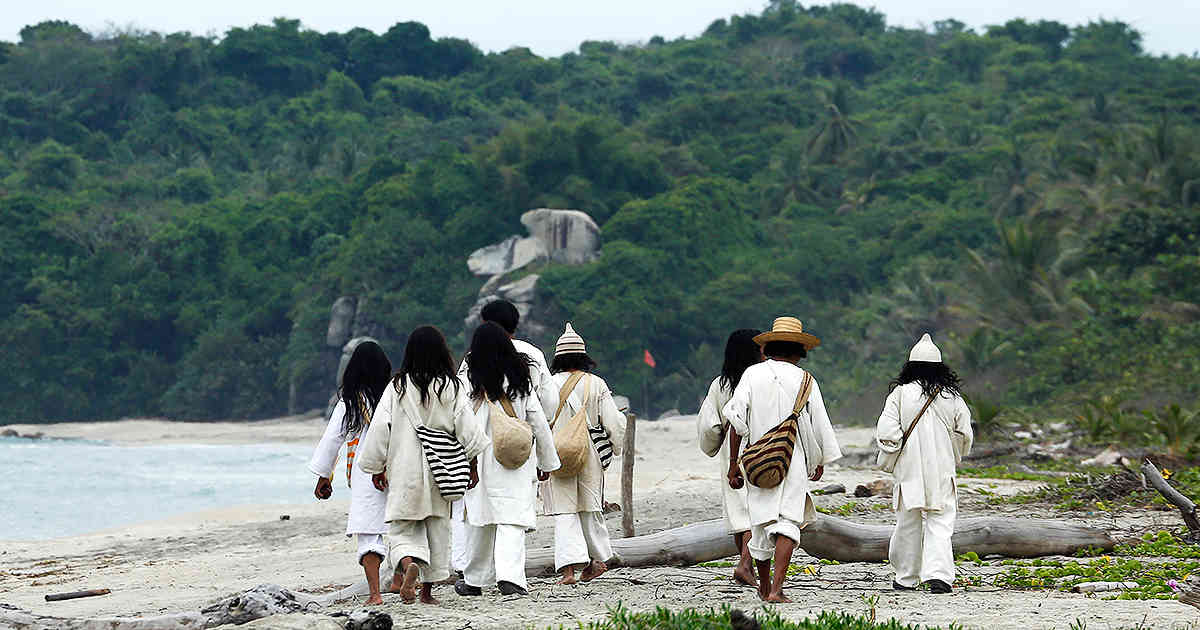
It's not just animals that live here: EThere is a the deep connection between nature and indigenous cultures who have protected this territory for centuries.
A Living Land Between Day and Night
The Sierra Nevada de Santa Marta is one of the most biodiverse regions on the planet. Within just a few kilometers, the landscape shifts from the Caribbean Sea to dry forest, then to tropical rainforest, to cloud forests, and finally to areas near the páramo. This transition allows for the coexistence of a wide variety of animal species that have adapted to different climates, altitudes, and ways of life.
Although Birdwatching is the most popular activity in the region, The wildlife of the Sierra Nevada goes far beyond that. Mammals, reptiles, amphibians, insects, and nocturnal species make up a living ecosystem that changes completely between day and night. Understanding this duality is key to understanding the territory as a whole.
This article aims to provide a broad overview of the the wildlife of the Sierra Nevada de Santa Marta and Tayrona National Park, combining ecological knowledge, field experience, nature photography, and indigenous worldviews.
Wildlife is neither a spectacle nor a list of animals to check off. In Tayrona Park, every species—whether visible or elusive, diurnal or nocturnal—is part of a natural balance that has been maintained for centuries thanks to the relationship between the land, nature, and the communities that inhabit it.
Wildlife observation is about learning to observe with attention, patience, and respect.
Tayrona National Park and the Sierra Nevada de Santa Marta as a Wildlife Corridor.
The Sierra Nevada and Tayrona National Park function as a vast ecological corridor connecting the Caribbean Sea with the highest mountain regions. Along this corridor are ecosystems such as the tropical dry forest, the tropical rainforest, riparian zones, marine ecosystems, and cloud forests.
The tropical rainforest is one of the predominant ecosystems and the setting for much of the wildlife observation that takes place both within and around the Tayrona National Natural Park. However, the dry forest also plays a key role, especially in the lowland areas of Santa Marta, where, during the rainy season, it takes on characteristics typical of the rainforest.
An example of this connection is the Santa Marta rumbito, a small endemic hummingbird that can be found from areas near the sea to higher elevations in the mountains, demonstrating how wildlife uses the entire territory as an integrated system.
The Most Characteristic Animals of Tayrona National Park and the Sierra Nevada de Santa Marta
Mammals
The region's forests are home to iconic species such as:
- Jaguar
- Puma
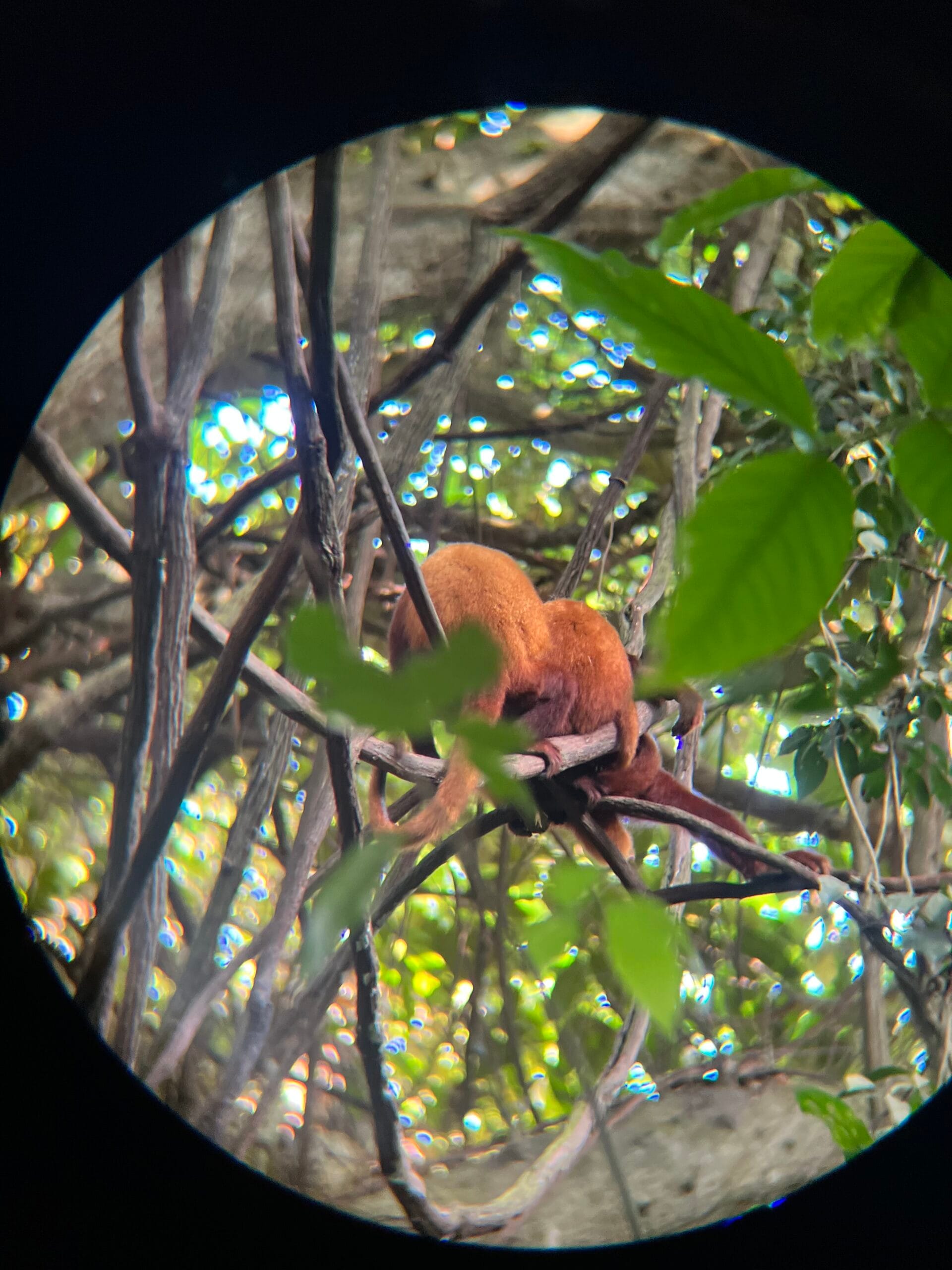
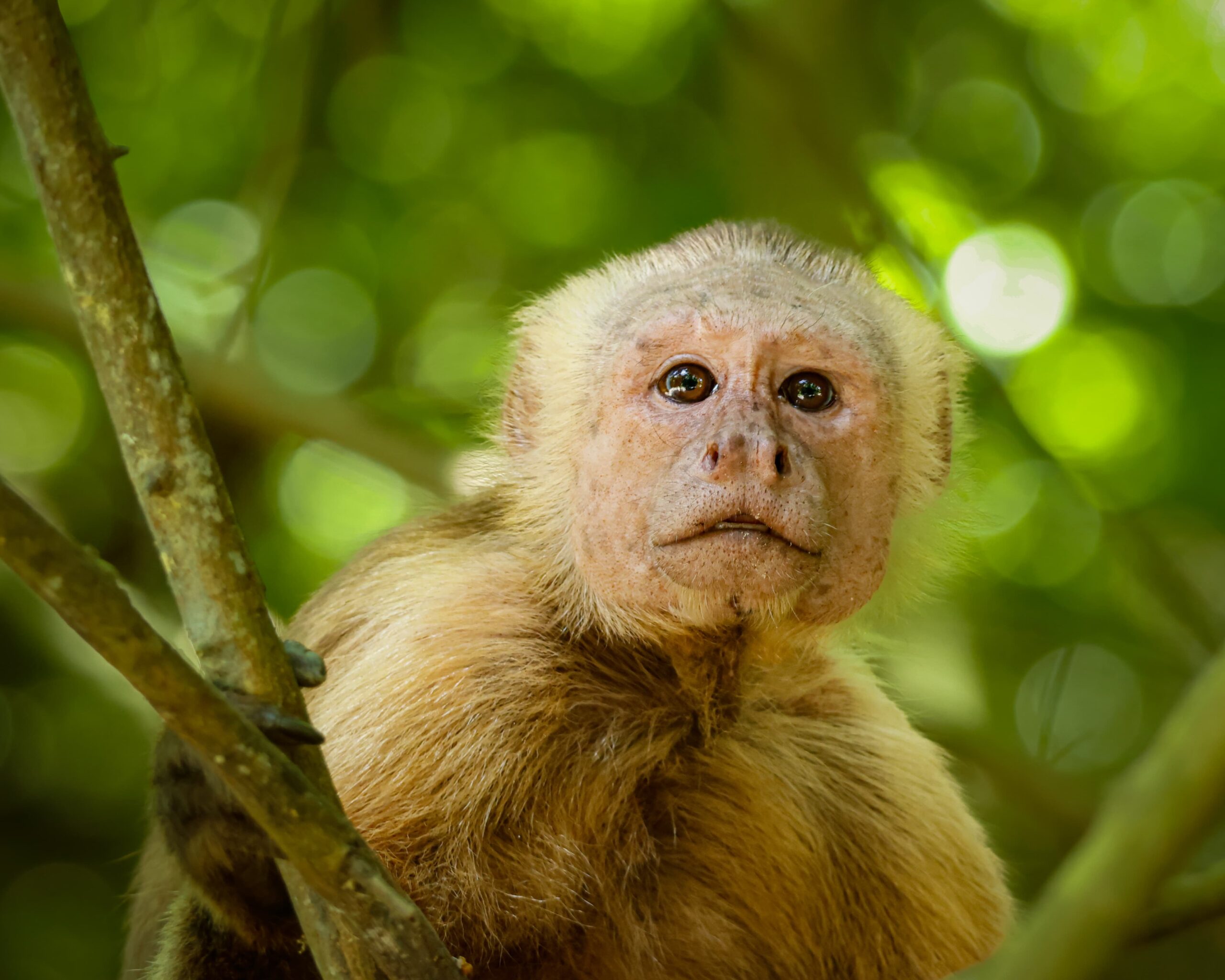
- Howler monkey
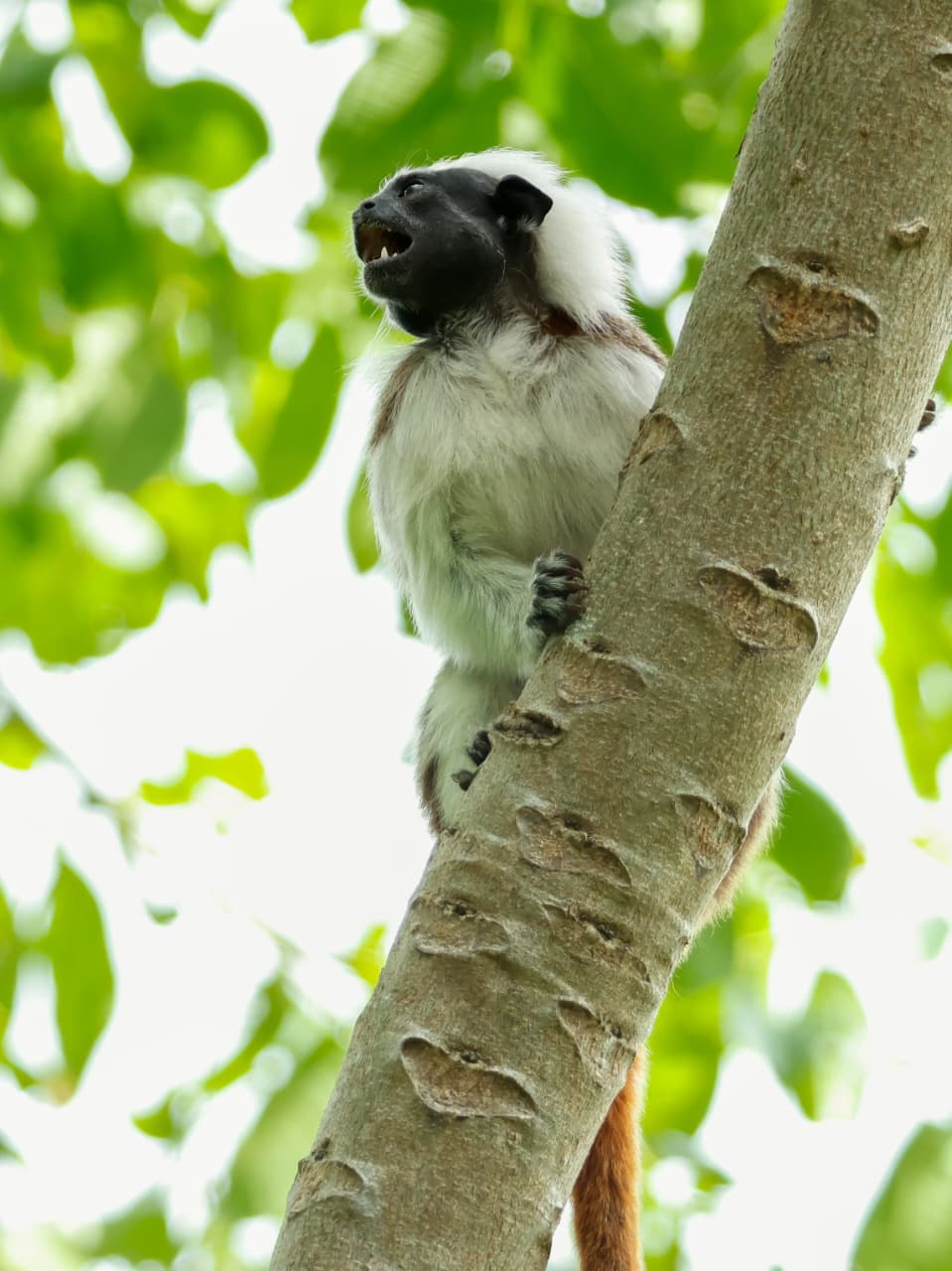
- White-headed Titi
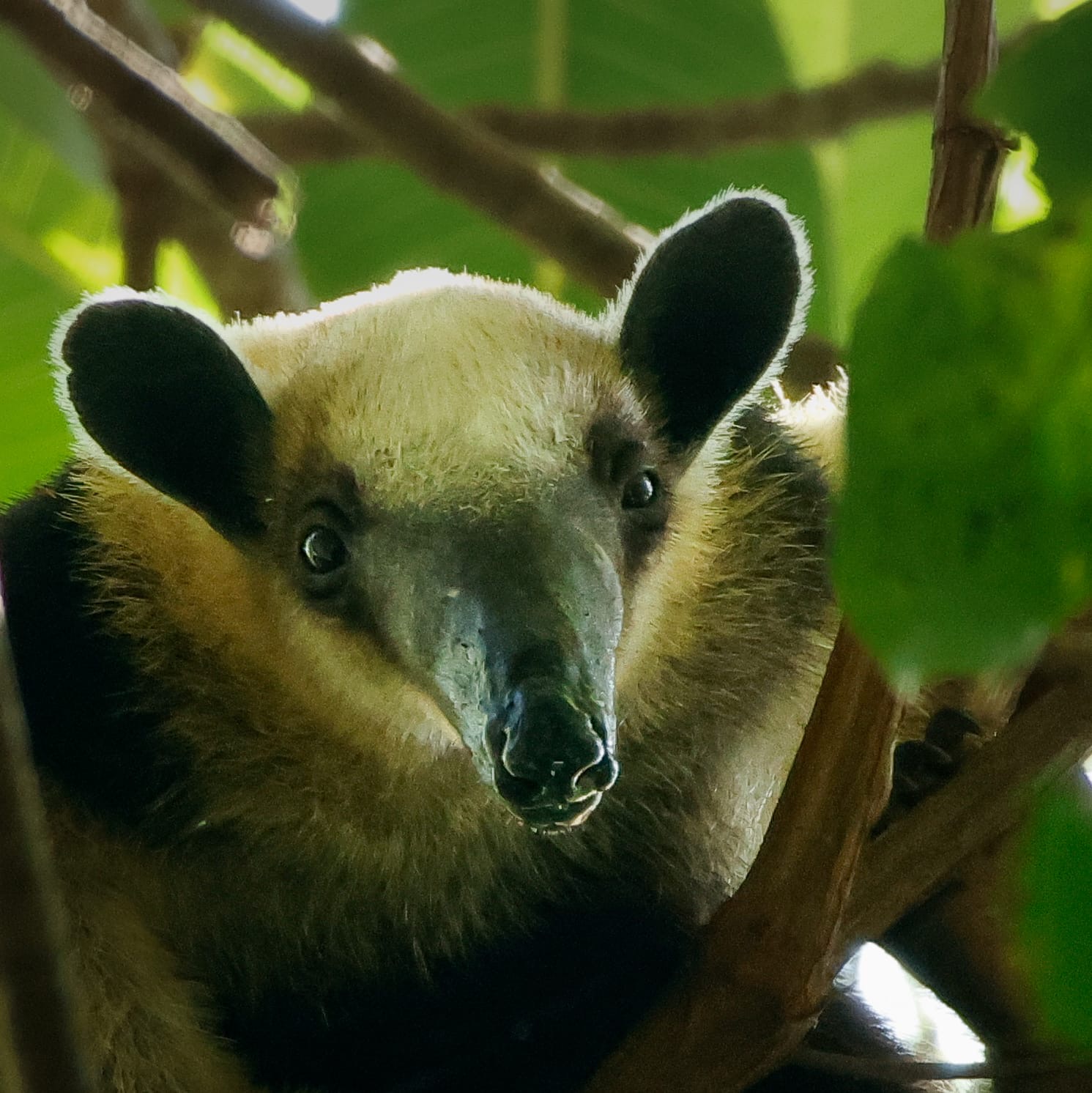
- Anteater
- Ñeque
These animals are usually elusive, so spotting them depends on factors such as the time of day, the weather, and the guide's experience.
Birds: The Region's True Treasure
The The Sierra Nevada de Santa Marta It is one of the world's top destinations for birdwatching.
They have registered here more than 600 species, including:
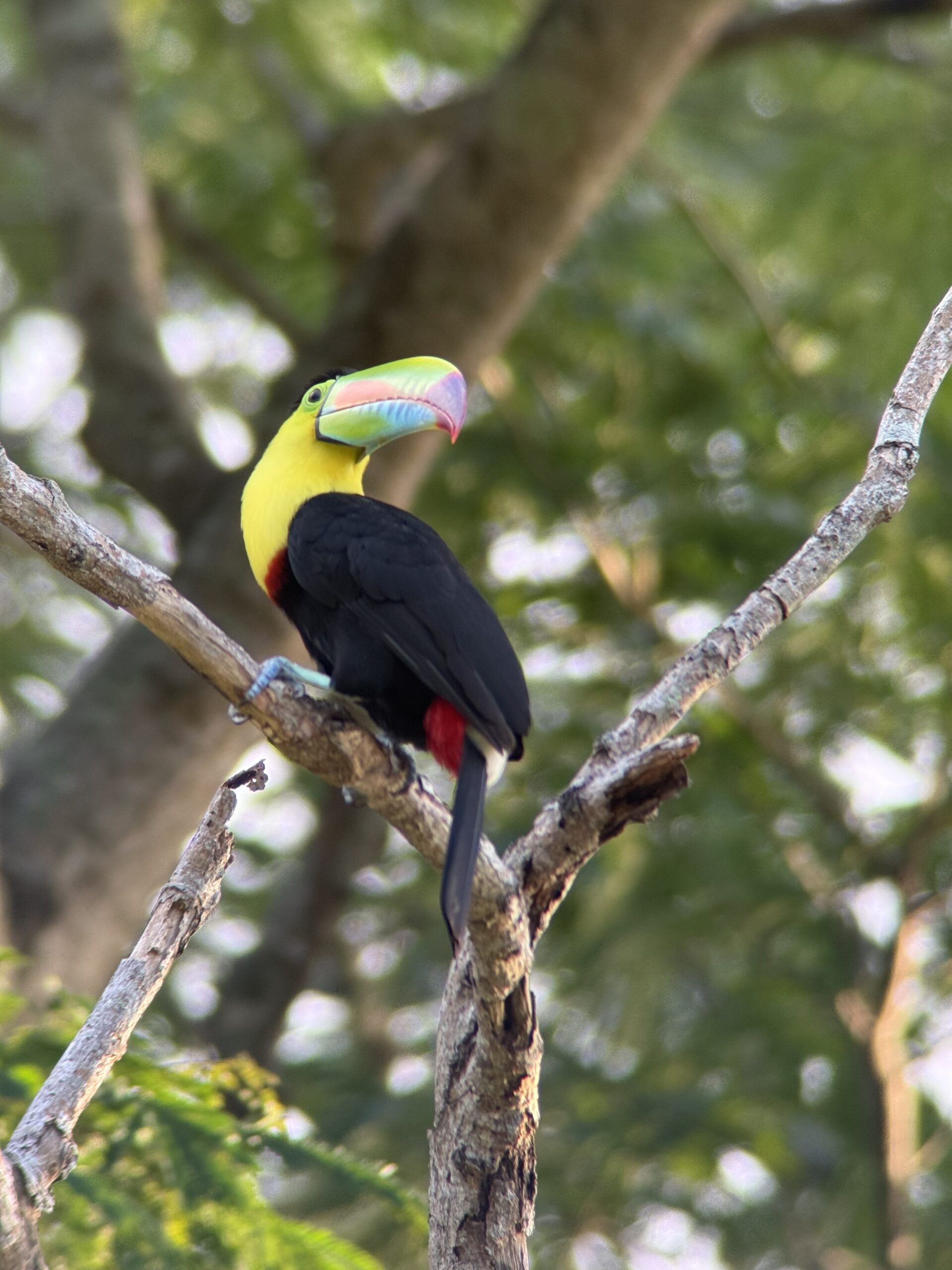
- Toucans
- Endemic hummingbirds
- Santa Marta Parrot
- Birds of Prey and Migratory Birds
For those seeking a more in-depth experience, the birdwatching It is one of the most accessible ways to connect with the local wildlife.
Reptiles and Amphibians
The tropical climate and the diversity of ecosystems support the presence of:
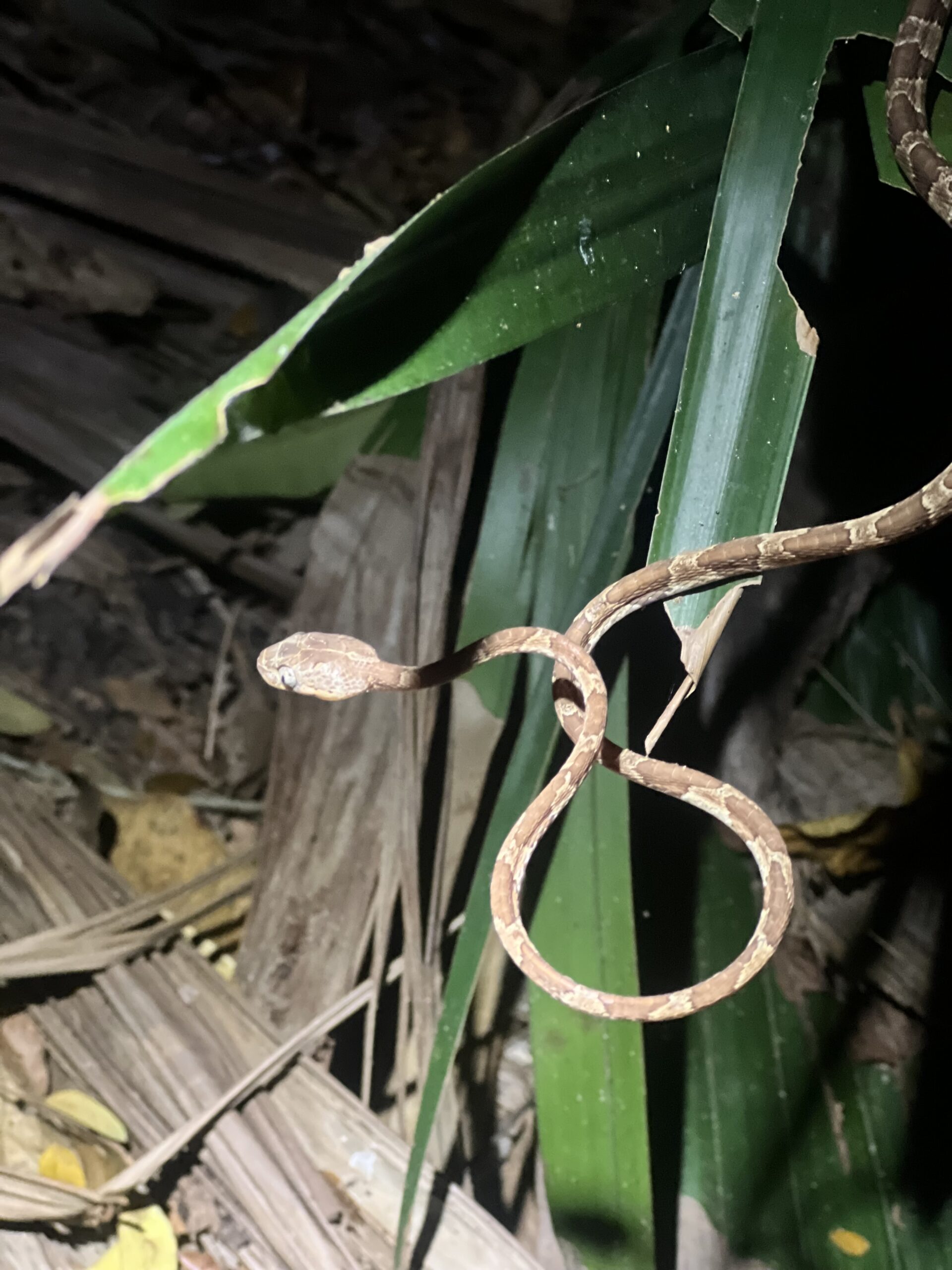
- Snakes
- Iguanas
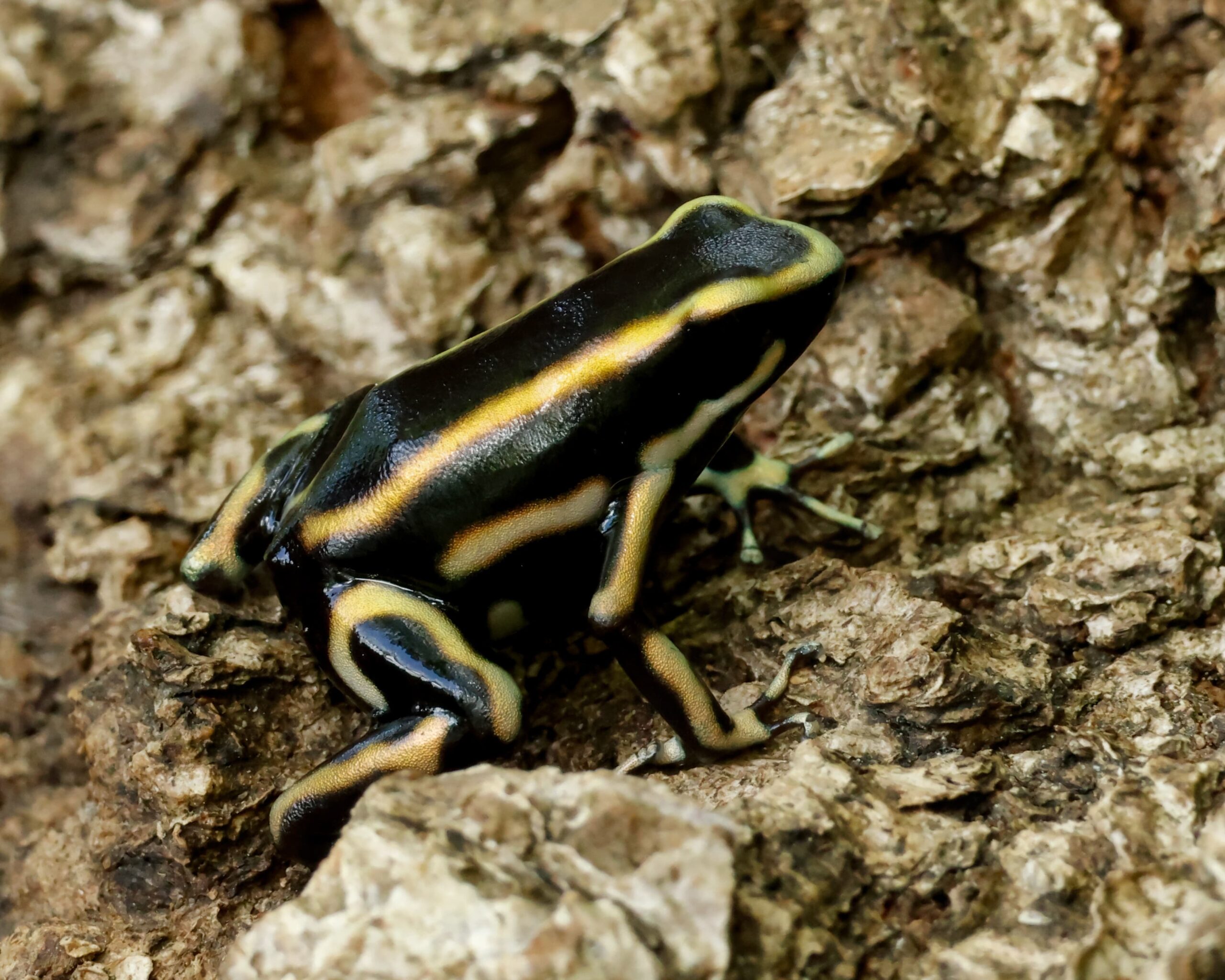
- Frogs
- Lizards
Many of these species play a key role in maintaining the balance of the ecosystem, although they are usually not very visible during the day.
Endemic species (found nowhere else in the world)
One of this region's greatest assets is its high level of endemism.
Some species are found only here, which makes their conservation particularly importante.
Is it easy to see animals in Tayrona Park?
No, And that is precisely what makes the experience authentic.
The wildlife in Tayrona Park and the The Sierra Nevada de Santa Marta lives in the wild, so there's no guarantee you'll see any.
One thing is certain:
- Slow walks increase the odds
- Early morning and sunset are the best times
- Silence and mindful observation make all the difference
It's not about quantity here, but about connection.
Best Places to See Animals in Santa Marta
- Cerro Kennedy It is a high-mountain area that is crucial for endemic birds and unique landscapes.
- Minca Ideal for observing birds, insects, and small mammals in the rainforest.
- Calabazo and Rural Areas These are less disturbed areas where wildlife observation depends on interpreting the environment and local knowledge.
- Tayrona Park It's the perfect place to combine the jungle and the coast, with monkeys, reptiles, and birds.
Wildlife-Viewing Experiences
Rather than simply looking for animals, our experiences are designed to:
- Interpreting Tracks
- Understanding the Sounds of the Forest
- Identify behaviors
- Connecting with the ecosystem
This allows visitors to experience the wildlife from a realistic perspective, without disrupting its natural behavior.
👉 Check availability for daytime or nighttime wildlife experiences.
Types of Experiences Available
What Forests Reveal.
During the day, the forest is bustling with activity. The early morning hours are ideal for wildlife viewing, when the animals move about in search of food and the forest comes alive with sounds.
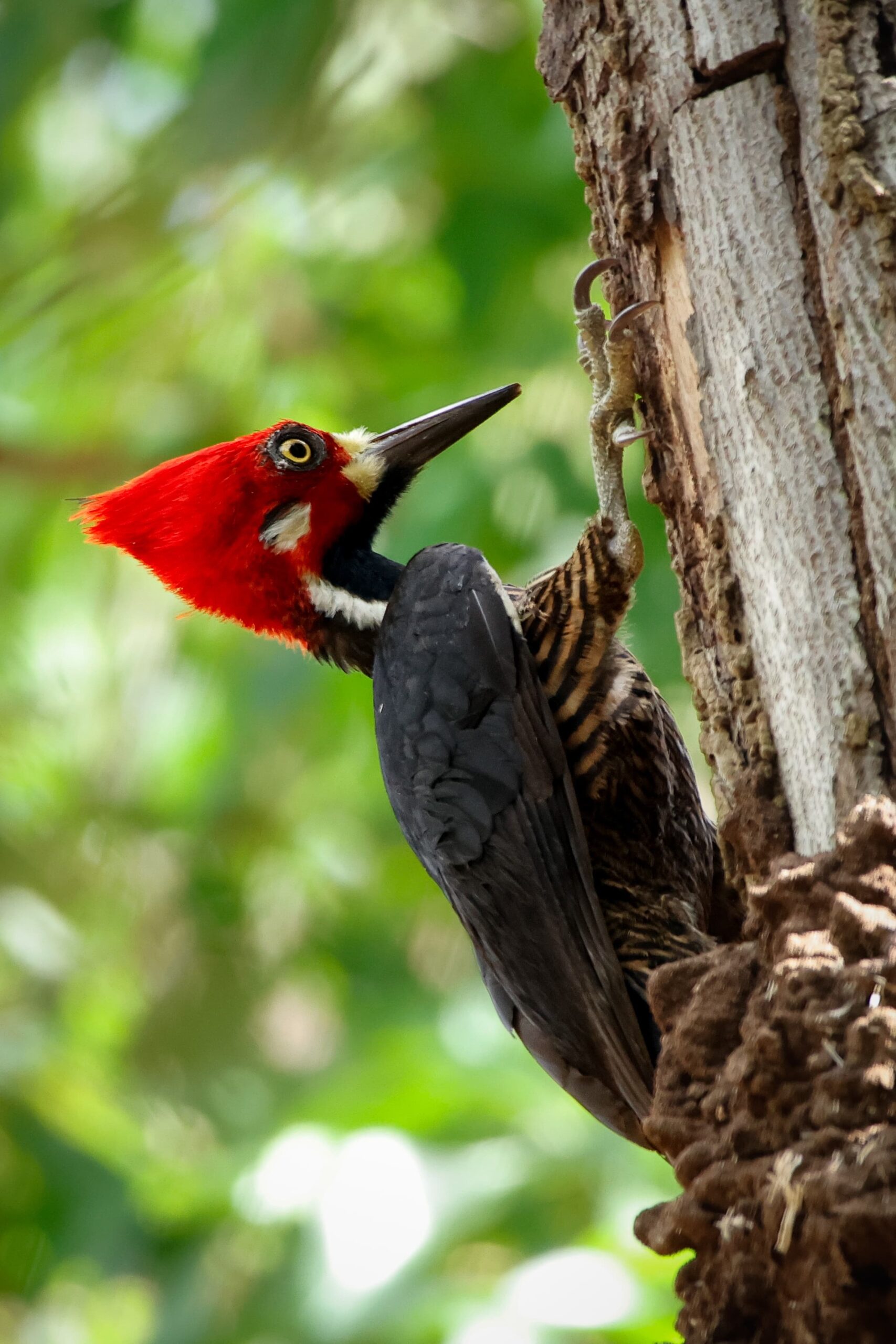
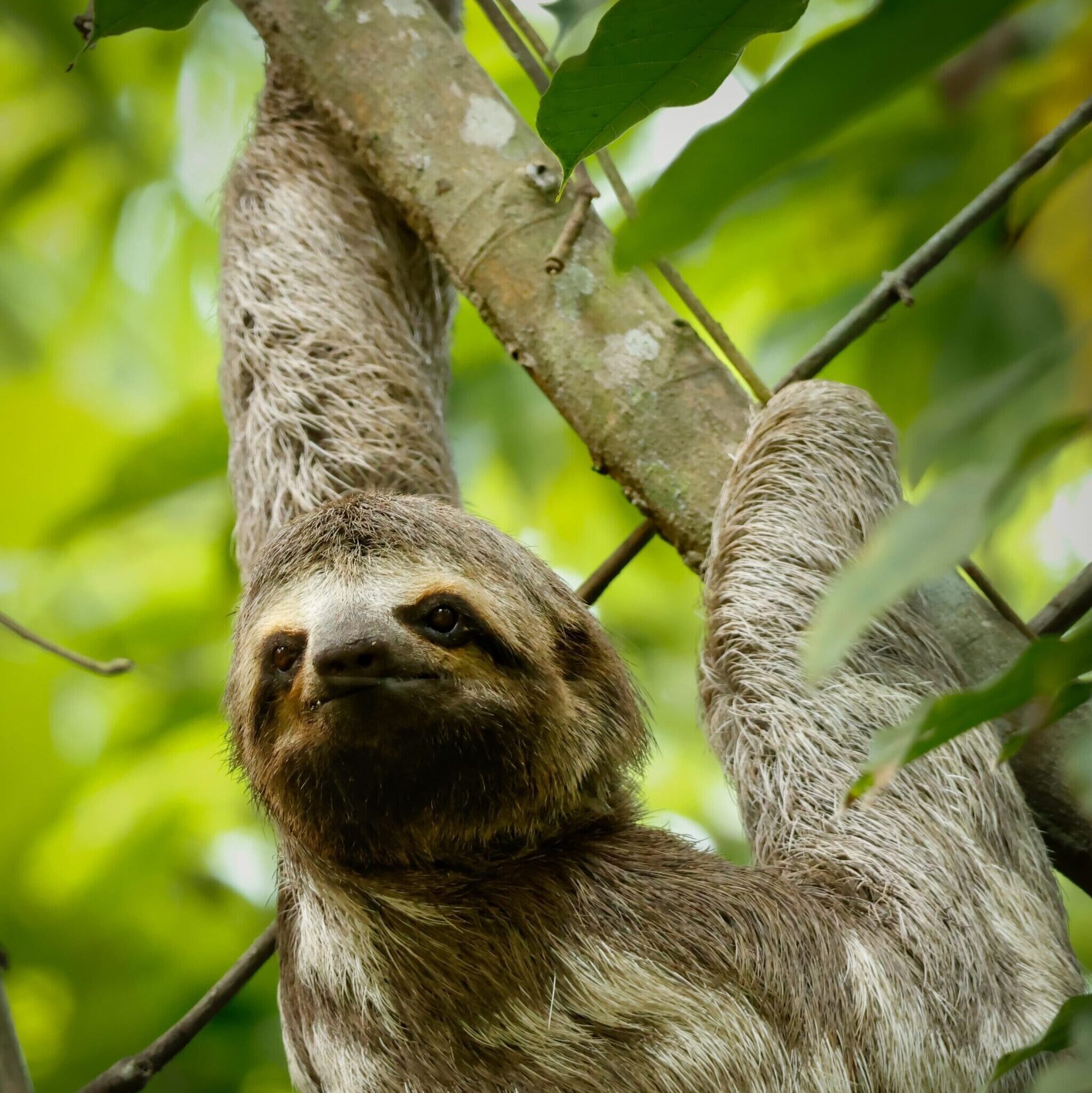
Birds are often the first thing many visitors see, with species such as toucans, woodpeckers, and other tropical birds. However, the diurnal fauna also includes mammals such as the monkeys and the Sloths, which attract a great deal of interest due to their calm behavior and their adaptation to the forest canopy.
In riparian areas and bodies of water, it is possible to observe large lizards, skinks, and other species associated with these habitats. The composition of the fauna varies depending on the type of forest, differing between dry forest and tropical rainforest areas.
Safari Diurno En El Parque Tayrona
Focused on birds, insects, tracks, and small mammals.
Ideal for:
- Curious People
- Nature Photography
- First Encounter with the Forest
When the Forest Awakens
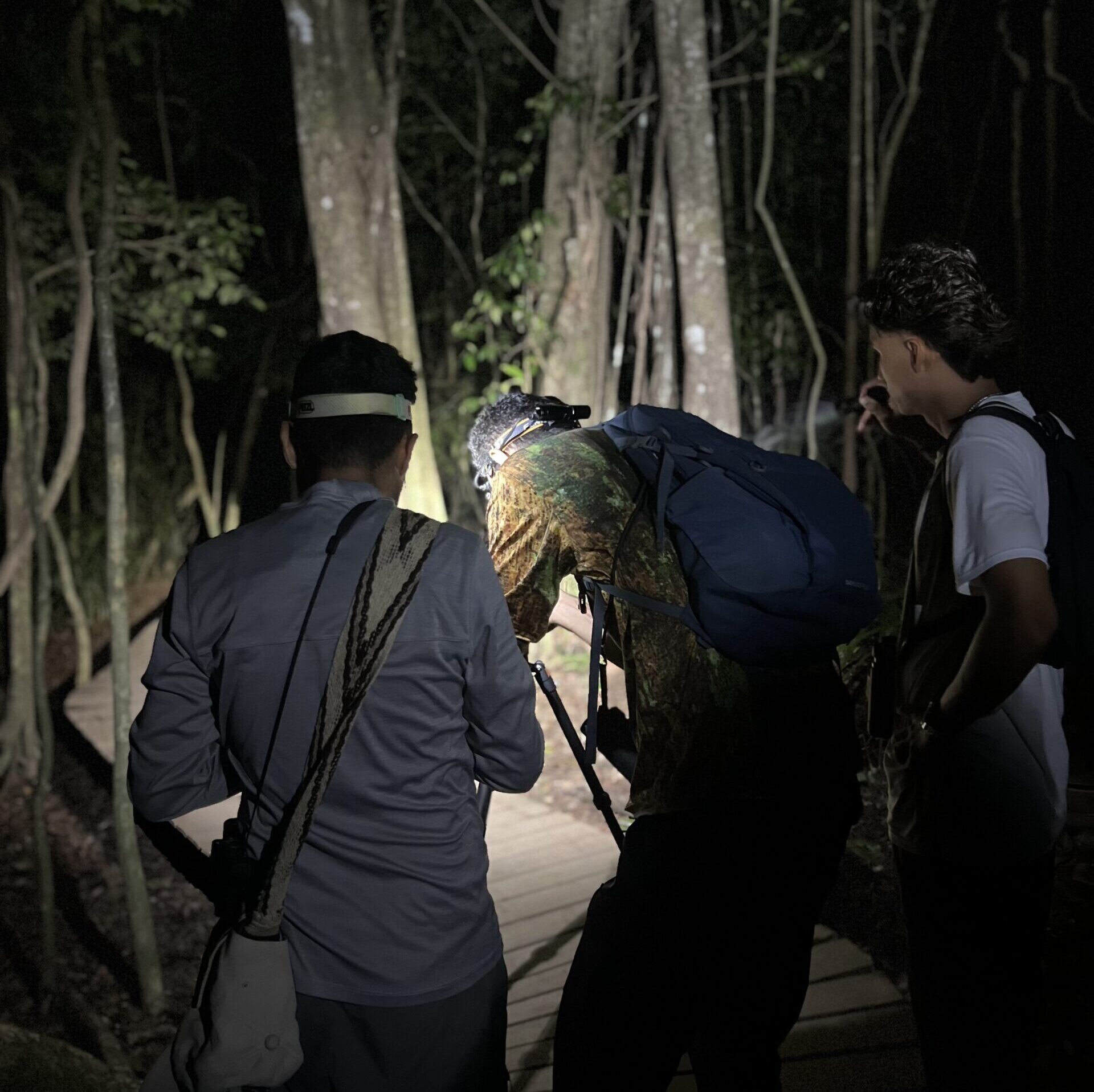
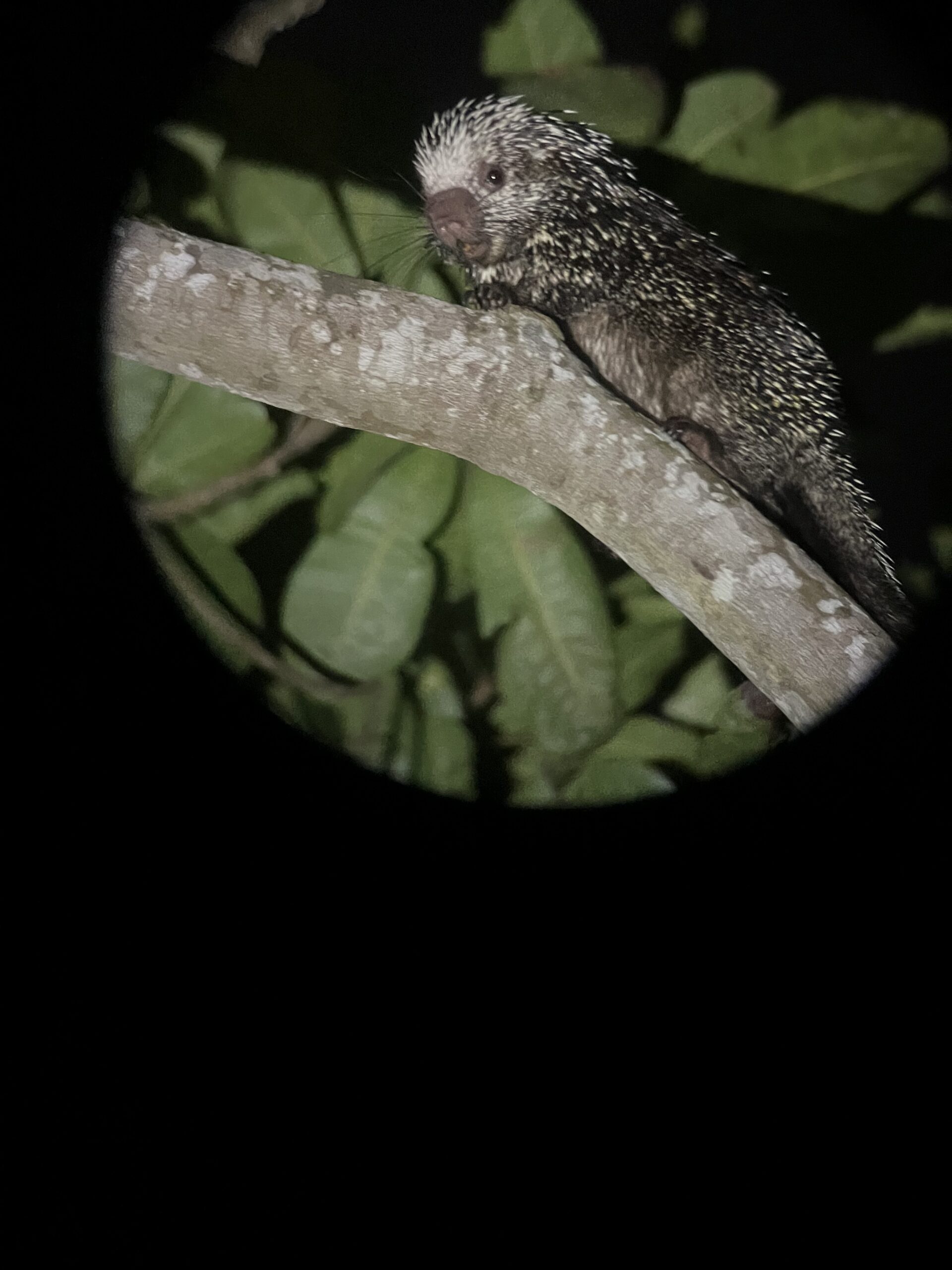
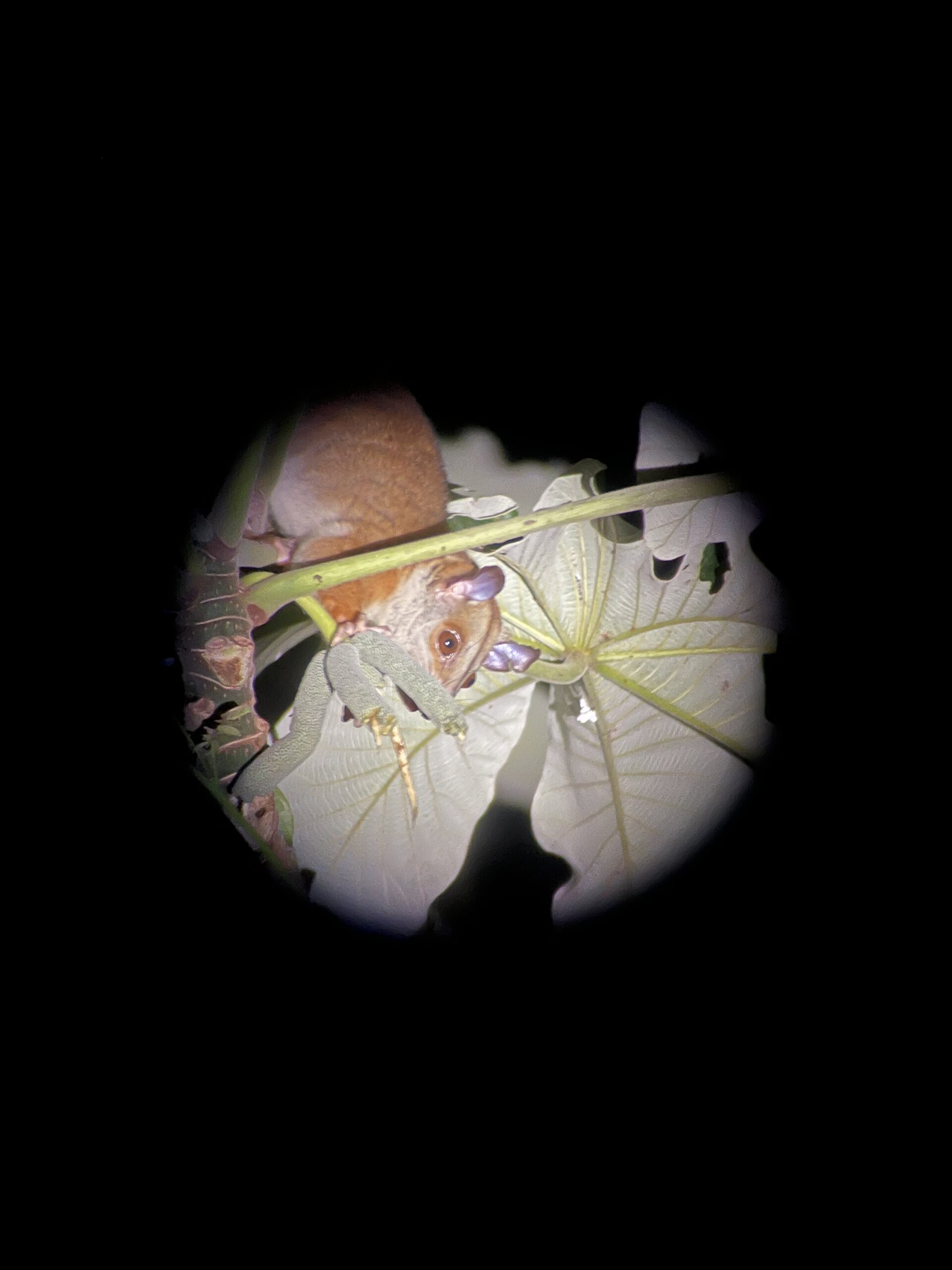
Night reveals a completely different world in the Sierra Nevada. Bats, amphibians, small mammals, and species such as the white opossum take center stage. These species often go unnoticed during the day, but they play an essential role in maintaining the balance of the ecosystem.
Observing nocturnal wildlife requires patience, attention, and a clear set of ethical guidelines, especially for those interested in nature photography. It is a powerful, largely unexplored, and deeply rewarding niche.
Safari Nocturna en el Parque Tayrona
A completely different experience, where the forest changes.
Chances of finding:
- Amphibians
- Nocturnal insects
- Reptiles
- Nocturnal mammals
Prices for the experiences
The experiences are conducted in small groups (maximum of 6 people), which allows for more mindful and personalized observation:
- 2 people: $550,000 COP per person
- Serves 3 to 4 people: $440,000 COP per person
- 5 to 6 people: $380,000 COP per person
👉 Smaller groups = a better experience + a higher chance of sightings
What does the experience include?
- Binoculars (for those who don't have their own)
- High-Quality Terrestrial Viewers
- Cell Phone Adapters (Image Capture)
- Interpretation of the Ecosystem
- Guided Tour
Tips for Responsible Wildlife Viewing
- Do not feed the animals
- Keep Your Distance
- Avoid loud noises
- Do not use flash
- Respect local communities
Responsible tourism is key to the conservation of the The Sierra Nevada de Santa Marta.
Book or check availability
If you want to have this experience at the The Sierra Nevada de Santa Marta, you can check availability or ask questions directly:
👉 Check availability for daytime or nighttime wildlife experiences.
The wildlife of the The Sierra Nevada de Santa Marta It is not immediately apparent. It requires time, silence, and a careful look.
Every visit is different, and every encounter — no matter how small it may seem — It is an opportunity to better understand the area we live in and visit.
If you decide to take this path, it's not just about observing animals—it's about learning to see.
Related Articles

How to Visit Tayrona National Park in 2026?

What to Bring to Tayrona National Park?


 Español de Colombia
 English
 Français